If you’re in the market for plastic spiral protector machines—whether you’re a small printing shop looking to expand finishing services, a binding company scaling production, or someone who’s just started researching equipment to cut costs on custom spiral bindings—one question will inevitably cross your mind: How much does this machine actually weigh? As a supplier who’s walked dozens of buyers through this exact question over the years, I get it. Weight matters for so many reasons: can you get it through your loading door? Will it fit on your existing workbench, or do you need to budget for a reinforced stand? Will you have to pay extra for freight because it’s bulky? And beyond logistics, weight often signals quality, build, and long-term durability. But here’s the thing: there’s no one-size-fits-all answer. The weight of a plastic spiral protector machine depends entirely on what it’s built to do, and that’s what I want to break down today. Plastic Spiral Protector Machine
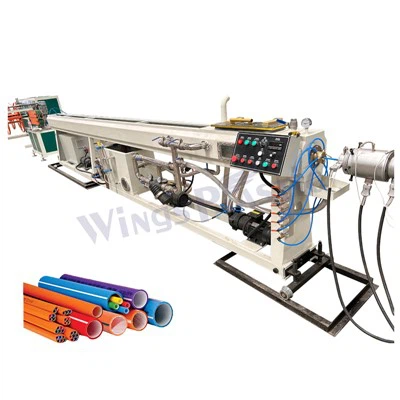
First, let’s get clear on what we’re talking about when we say “plastic spiral protector machine.” These machines aren’t just small devices that punch a few holes and insert coils. They’re specialized equipment designed to cut, shape, and insert plastic spirals—commonly used for binding calendars, notebooks, office manuals, and even furniture parts. There are three main categories of these machines, and each has a drastically different weight, which directly ties to their intended use. Let’s start with the smallest: desktop manual machines.
If you’ve ever ordered a spiral binding machine for a home office or a tiny print shop that only does 10 to 20 bindings a day, that’s a manual desktop unit. These are the entry-level machines, priced for small-volume users, and their weight reflects that. Most standard desktop manual plastic spiral protector machines weigh between 15 and 25 pounds (6.8 to 11.3 kilograms). That’s about the same as a large bag of dog food, or two small computer monitors. At first glance, that sounds light, and it is—they’re meant to sit on a desk, so they’re compact and easy to move around. But don’t let the low weight fool you into thinking they’re flimsy. High-quality manual models use thick aluminum frames instead of cheap plastic, so even at 20 pounds, they’re sturdy enough to handle regular use for small jobs. I once sold a 22-pound manual machine to a freelance graphic designer who only binds 5 calendars a month, and she told me a year later that it still worked as well as the day she got it. But here’s the trade-off: manual machines require you to insert the spiral coil by hand, so they’re not built for high volume. If you’re doing more than 50 bindings a day, a desktop manual isn’t going to cut it.
Next up is semi-automatic floor-standing machines. These are the workhorses for mid-sized print shops, binderies, and companies that do 50 to 500 bindings a day. They’re usually not meant to move around—they stay in a dedicated production area—so their weight is much higher. Most semi-automatic plastic spiral protector machines weigh between 200 and 400 pounds (90.7 to 181.4 kilograms). That’s a big jump, and for good reason. Unlike manual machines, these have motorized components: automatic coil insertion, programmable hole punching, and sometimes even a spiral cutter that trims coils to the exact length you need. To keep those motorized parts stable when they’re running at full speed, the frame has to be heavy and solid. If you tried to run a semi-automatic machine on a light table, it would wobble, misalign holes, and jam coils. The weight also prevents the machine from sliding around the floor when you’re pushing heavy notebooks or calendars through it. I once had a customer who tried to put a 300-pound semi-automatic machine on a flimsy wooden workbench. Within a week, the bench was warped, and the machine was sitting crookedly. He had to buy a 4×4 steel stand just to support it. That’s a lesson I always pass on to buyers: semi-automatic machines need a stable, level surface, and their weight is non-negotiable for safe, reliable operation.
Then there are industrial automatic plastic spiral protector machines, the big ones for high-volume production. These are used by large commercial binderies, publishing companies, and factories that produce thousands of spiral-bound products every day. These machines are fully automated: they feed paper, punch holes, cut coils, insert spirals, and stack finished products all in one continuous line. Their weight reflects their size and complexity. Most industrial automatic models weigh between 1,500 and 5,000 pounds (680.4 to 2268.0 kilograms). That’s as heavy as a small pickup truck, and moving one is no small feat. Most of our industrial clients use specialized freight companies that handle heavy machinery, because regular delivery trucks can’t lift them off the ground with a standard pallet jack. But again, the weight is intentional. Industrial machines have multiple motors, heavy-duty gear systems, and precision alignment tools that have to stay perfectly aligned 24/7. If a machine that makes 10,000 bindings a day was only 100 pounds, it would vibrate so much during operation that every single binding would have misaligned holes or loose coils. The extra weight also absorbs vibration, which reduces wear and tear on internal parts, so these machines last 10 to 15 years with proper maintenance, compared to 3 to 5 years for a manual machine.
Now, you might be wondering: is weight the only thing that matters? No, of course not. There are other factors that go into a good plastic spiral protector machine, but weight is a great starting point to narrow down what you need. For example, if you’re a small business that only binds a few dozen items a month, a 20-pound manual machine is perfect. You don’t need to pay for a heavy industrial machine you’ll never use, and you can easily move it to a storage closet when you’re not using it. But if you’re running a print shop that does 100 bindings a day, a semi-automatic machine in the 250-pound range is a much better investment. It will save you hours of manual labor every week, and it’s heavy enough to be stable without taking up too much space in your production area.
I always tell buyers to ask themselves two questions before they decide on a machine: how much volume do I process in a typical day, and where will I put this machine? If your work area is on the second floor of a building, you need to confirm that the floor can support the weight of the machine. I once had a customer who ordered a 350-pound semi-automatic machine for his office on the second floor, and the building inspector made him reinforce the floor joists before delivery. That was a costly mistake he could have avoided by checking the machine’s weight beforehand. Conversely, if you’re only doing small jobs, buying a 2,000-pound industrial machine is overkill. It’s more expensive, harder to move, and it will take up way more space than you need. The weight of a machine is directly tied to its intended use, so matching the weight to your needs saves you money and hassle in the long run.
Another common misconception: a heavier machine is always better. It’s true that most high-quality machines are heavier, but there are exceptions. Some cheap imported machines on the market are heavy because they use thick, low-quality steel to cut costs, not because they have useful components. I’ve seen manual machines from overseas that weigh 30 pounds, but the frame is made of thin steel that bends after a few months of use. They have no motor, no precision alignment, and they jam constantly. So weight is a signal, but you also have to look at what the weight is made of. A good machine uses its weight for functional parts: heavy frames, precision components, and solid motor systems. A bad machine uses extra weight for unnecessary bulk or cheap materials that don’t hold up. That’s why it’s important to buy from a reputable supplier who stands behind their machines—we test every machine before it leaves our warehouse, so you know the weight is tied to quality and performance, not just extra metal.
Let me also walk you through a quick example of how weight translates to value. A few years ago, a local printing company came to me complaining that their manual machine was breaking down every month. They were doing 60 bindings a day, which was way too much for their 20-pound model. I recommended a semi-automatic machine that weighs 280 pounds. They were hesitant at first, because it was heavier and more expensive than their old machine. But after we installed it, they told me that in the first month, they saved 40 hours of labor that they used to spend manually inserting spirals. The machine’s weight meant it was stable, so their error rate dropped from 10% (loose coils, misaligned holes) to less than 1%. Within six months, the machine had paid for itself in saved labor and reduced waste. That’s the kind of value that comes from matching the machine’s weight and design to your actual needs.
Now, if you’re ready to start looking for a plastic spiral protector machine, here’s what I recommend you do. First, calculate your daily binding volume. If it’s less than 50, a lightweight manual or semi-manual machine (usually 25 to 50 pounds) is a good fit. If it’s 50 to 500, a semi-automatic in the 200 to 400 pound range is ideal. If it’s over 500, you’ll want an industrial automatic machine in the 1,500 to 5,000 pound range. Second, confirm the space you have. Measure the area where the machine will go, check the floor’s weight capacity, and make sure you can get the machine through any doors or hallways during delivery. Finally, work with a supplier who can answer all your questions about weight, functionality, and maintenance. A good supplier won’t just sell you a machine—they’ll help you choose the right one for your business, so you don’t end up with something too big, too small, or too heavy.
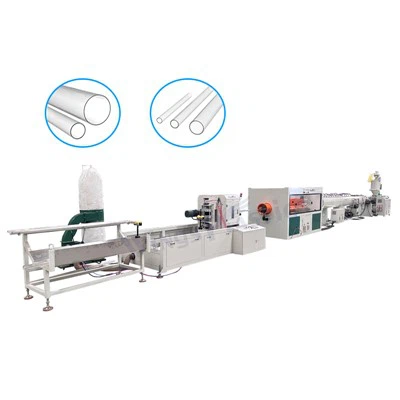
At the end of the day, the weight of a plastic spiral protector machine isn’t just a number on a spec sheet. It’s a reflection of what the machine is built to do, how it will fit into your workflow, and how much value it will bring to your business. Whether you’re just starting out with a small desktop model or expanding to an industrial production line, taking the time to understand weight and match it to your needs will save you time, money, and frustration. If you’re ready to explore your options and find a plastic spiral protector machine that fits your volume, space, and budget, feel free to reach out. We can walk you through the different models, their weight specs, and how each one will work for your specific business needs. Don’t hesitate to get in touch to learn more or request a demo.
Plastic Corrugated Pipe Machine References
- International Association of Printing House Craftsmen. “Equipment Specifications for Commercial Binding and Finishing.” 2022.
- Global Print & Packaging Machinery Association. “Best Practices for Industrial Finishing Equipment Installation and Safety.” 2021.
- Small Business Administration. “Choosing Binding Equipment for Small Print Shops.” 2020.
- Spiral Binding Manufacturers Association. “Plastic Spiral Binding Machine Standards and Weight Guidelines.” 2023.
- Occupational Safety and Health Administration. “Guidelines for Moving and Installing Heavy Machinery in Commercial Workspaces.” 2022.
Qingdao Wings Plastic Technology Co., Ltd.
As one of the most experienced plastic spiral protector machine manufacturers and suppliers in China, we also support customized service. Please feel free to buy durable plastic spiral protector machine made in China here from our factory. For price consultation, contact us.
Address: C02 Of Anshengyi Road, No.2 Fuan Industry Zone,Jiaodong Town, Jiaozhou City, Qingdao City, Shandong Province,China
E-mail: kelly@wingsplastic.com
WebSite: https://www.wingsextruder.com/
