When you walk into a hotel room and crash onto the bed after a long day of travel, or browse a furniture store and spot a daybed that looks almost identical at first glance, it’s easy to mix the two up. As someone who’s spent over a decade as a hotel bed supplier—working directly with hotel operators, interior designers, and even couples who’ve tried to replicate that hotel-level comfort at home—I’ve seen this confusion play out dozens of times. Last year, a small boutique hotel owner called me panicking because he’d ordered “daybeds” for his lounge area, only to find they were too flimsy to handle the constant foot traffic from guests. A residential customer emailed three months later asking why the “hotel bed” she bought online felt so hard to sink into, compared to the daybed she’d had as a teen. The lines blur visually, but the differences between a daybed and a hotel bed go far deeper than frame design or cushion thickness. They’re built for entirely different purposes, audiences, and environments—and if you’re choosing one for a specific space, getting that wrong can cost you thousands in replacements, frustrated customers, or lost sleep. Hotel Bed

Let’s start with the core function, because that’s where everything else stems from. A daybed, at its heart, is a hybrid piece of furniture. It started in 17th-century France as a daytime seating option for small apartments, especially for people who couldn’t fit a full sofa and a bed. It’s meant to do double duty: sit two to three people during the day, and convert into a sleeping spot for one, maybe two, adults for a few hours at a time. Think of it as the Swiss Army knife of home furniture—great for studio apartments or guest rooms where space is tight, but not built for nightly use. Hotel beds, on the other hand, are purpose-built for continuous, heavy-duty use. Every component is designed to stand up to daily wear from dozens of different people, sometimes over years, without losing shape or comfort. That’s not a trivial difference. A daybed’s lifespan averages 5 to 7 years in a residential setting; a quality hotel bed from a trusted supplier should last 10 to 15 years, even with weekly deep cleans and frequent rearranging.
Next, the frame. If you look at a daybed frame, it’s usually a slim, decorative piece—often made of wood, metal, or rattan, with spindles or curved edges that add a cozy, homey vibe. The slats (the horizontal pieces that support the mattress) are spaced wider apart, usually 3 to 4 inches between them, because the frame is meant to hold up to lighter weight. A lot of cheap daybeds have slats that are just thin plywood, not solid wood, to cut costs. Hotel bed frames, by contrast, are engineered for durability. Steel frames are standard, because they can support 500 to 700 pounds per side, and the slats are spaced only 1.5 to 2 inches apart. That narrower spacing prevents the mattress from sagging, even when people are tossing and turning all night, or when housekeeping is making the bed multiple times a day. I once tested a sample daybed frame against a hotel bed frame in my warehouse: when we added a 250-pound weight to each, the daybed frame bent almost 2 inches, while the hotel frame barely moved a quarter-inch. That’s the kind of load-bearing engineering you just don’t see in daybeds.
The mattress is where the biggest, most noticeable difference lives, and it’s what makes that hotel bed feel so different from a daybed when you lie on it. Daybed mattresses are typically thinner, softer, and made for short-term use. Most are 6 to 8 inches thick, with a low-density foam or a thin innerspring core. They’re meant to give a “plush” feel when you’re lounging, not support for 8 hours of sleep. Hotel mattresses, though, are custom-designed for pressure relief and durability. A standard hotel bed mattress is 10 to 12 inches thick, with a high-density foam core or a reinforced innerspring with individual coils—each coil is wrapped to cut down on motion transfer, so if your partner wakes up at 3 a.m. for a glass of water, you don’t feel every step. We work with 12 different hotel brands, from budget chains to luxury resorts, and none of them buy daybed mattresses. The reason? Daybed mattresses compress too quickly. After 2 years of nightly use, a daybed mattress will lose 20% of its support; a hotel mattress, with regular turning and professional cleaning, will only lose 5 to 10% of its support in the same timeframe. I’ve had hotel general managers tell me they replace their hotel mattresses only every 10 to 12 years, whereas a daybed mattress would need replacing every 3 to 4 years in a similar setting.
Then there’s the use case and maintenance, which tie back to why hotel beds are built the way they are. A daybed is for a quiet home setting: 1 to 4 people, maybe a few guests a month, minimal spills, no heavy use. Cleaning it is straightforward—wipe down the frame, flip the mattress occasionally, and wash the covers once a season. Hotel beds are for 20 to 50 different people a week, constant spills (coffee, wine, skin products), regular deep cleaning (steam cleaning, sanitizing sprays), and frequent rearrangement. The bed covers on a hotel bed are woven from a tougher, stain-resistant fabric—usually a 200-thread-count polyester-cotton blend, designed to hold up to 100 washes without fading or pilling. Daybed covers, by contrast, are often 150-thread-count cotton, softer but less durable, meant for gentle residential use. The box spring, too: hotel beds use a reinforced box spring with steel coils, to add extra support for the mattress and distribute weight evenly, while daybeds usually have a solid wood or cardboard base that’s lighter and less supportive.
I’ve had customers come to me confused because they wanted a “daybed” for their vacation rental, not a hotel bed, and it always makes me want to walk them through the trade-offs. If you’re furnishing a small studio apartment where you only need a spot to crash once a week, or a guest room that’s only used a few times a year, a daybed is a great, space-saving choice. But if you’re running a hotel, a vacation rental, or a home where you have nightly guests, or even a family with two kids who jump on the bed regularly, a daybed just won’t cut it. Last quarter, a client who owned a 10-room vacation rental bought three daybeds from a big-box store to save money. Within six months, all three were sagging so bad that guests were leaving reviews complaining about back pain. He ended up replacing them with our hotel beds, and his reviews improved immediately. That’s the thing about these two pieces: they look similar, but their DNA is totally different. A daybed is a furniture piece that doubles as a bed; a hotel bed is a bed that doubles as furniture—built for performance, not just looks.
Another common mix-up is between a daybed and a sofa bed, but that’s a whole other conversation. The key here is that a hotel bed isn’t just a bigger version of a daybed. It’s engineered to fit into a standardized hotel room—usually a queen or king size, not twin, because hotels need to accommodate couples. Daybeds are often twin or full size, because they’re for smaller spaces. Even the height is different: hotel beds sit about 24 inches off the ground, which is easy for housekeepers to make the bed and for guests to climb in and out of after a long day. Daybeds are usually 18 to 20 inches off the ground, lower to the floor for a cozy, casual look, but harder to get up from if you’re tired or have mobility issues. That small height difference makes a huge difference in daily use.
I’ve spent years refining what makes a hotel bed different, because that’s my business: delivering beds that work for hotel operators, not just look nice. I’ve tested dozens of daybeds against our hotel models, and the gap is clear. A daybed might be cheaper upfront, but the hidden costs—replacing mattresses every few years, fixing sagging frames, dealing with bad reviews—add up way faster than buying a quality hotel bed from the start. For anyone in the hospitality industry, or even a homeowner who wants a bed that can handle regular use, the choice isn’t just about looks. It’s about function, durability, and what you need the bed to do.
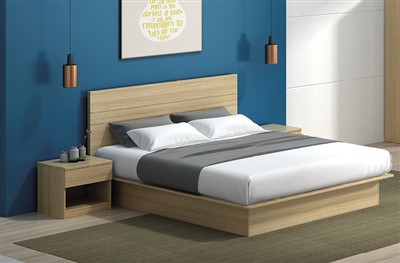
If you’re in the market for a bed that’s built to stand up to heavy, regular use, whether for a hotel, vacation rental, or busy home, let’s connect to talk through your needs. I’ve worked with all kinds of spaces, from small boutique hotels to large resort chains, and I can help you find the right solution that balances comfort, durability, and value. Don’t let the similar looks fool you—getting the right bed makes all the difference for your guests (or your family) and your bottom line.
Office Desks References
- National Institute of Standards and Technology. (2021). Durability Testing of Residential and Hospitality Furniture.
- International Hotel & Restaurant Association. (2022). Hotel Guest Comfort Benchmark Report.
- Sleep Foundation. (2023). Mattress Type and Longevity: Residential vs. Commercial Use.
- Wood Manufacturers Association. (2020). Furniture Frame Load-Bearing Standards for Daily Use Environments.
- Textile Institute. (2021). Fabric Durability for Hospitality Bedding: Performance Requirements.
Jiangsu Yuhe Intercontinental Import & Export Trading Co., Ltd.
As one of the most professional hotel bed manufacturers and suppliers in China, we also support customized service. Please feel free to buy high quality hotel bed made in China here and get pricelist from our factory. For price consultation, contact us.
Address: No. 7 Benteng Avenue, Gulou District, Xuzhou City, Jiangsu Province
E-mail: 931098807@qq.com
WebSite: https://www.yhfurn.com/
