If you’ve ever spent a full day horseback riding—whether it’s early morning trail rides through mountain pine, midday arena lessons under a scorching sun, or multi-day packing trips across open plains—you know the battle with sun exposure is non-negotiable. I’ve been supplying sun protective clothing for over a decade, and the most common question from equestrians I work with isn’t just “do I need sun gear?” It’s “what gear actually works for riding, not just looks good?” Too many sun shirts and pants on the market are designed for hikers, surfers, or general outdoor wear, with features that fall apart the second you swing a leg over a saddle, grip a leather rein, or kneel to adjust a horseshoe. After testing gear with hundreds of casual riders and competitive eventers, here’s the science-backed breakdown of what actually works for horseback riding, and what to skip. Sun Protective Clothing

First, let’s start with the basics that most riders get wrong: not all UPF (Ultraviolet Protection Factor) ratings are created equal, especially when it comes to riding. UPF measures how much UV radiation fabric blocks, with a rating of 50+ meaning it blocks 98% of UVA and UVB rays—this is the minimum you should even consider, full stop. But many cheap garments slap a UPF 50+ label on fabric that’s thin, stretchy, or has broken weave threads from a single ride. For context, a basic cotton t-shirt has a UPF of around 5–7, which is why you’ll burn through a half-day of riding even if you’re wearing one, especially if it gets damp from sweat. When fabric gets wet, its UPF drops drastically—studies show cotton’s UPF can plummet to 3–4 when wet, and even some synthetic fabrics can lose 20–30% of their UV protection if they’re not treated with durable UPF coatings. The key here is durable UPF, not just a label. We test every batch of our clothing by washing it 20 times (the equivalent of 5 years of regular wear) and verifying UPF remains above 45—anything lower is just marketing fluff that won’t keep you safe mid-ride.
Now, the non-negotiable functional features that make or break riding-specific sun gear, because even the best UPF is useless if you can’t breathe, move, or see clearly. Let’s start with fit: riding requires a close, non-restrictive fit, but not skin-tight. Too tight, and you’ll pull fabric up your torso when you reach for a rein, leaving your lower back exposed to sun—this is the #1 hidden sun spot riders complain about. Too baggy, and fabric will catch on saddle horns, stirrup leathers, or even low-hanging tree branches on trail rides, creating a safety hazard. The sweet spot is a tailored “active fit” that follows the body’s natural range of motion: a slightly longer torso to prevent riding-up, and tapered arms that hit just at the wrist (or have a thumb loop, which we’ll get to) so they don’t bunch when you grip reins.
Next, fabric breathability and moisture management. Horseback riding is not a sedentary activity—even a leisurely trail ride will have you sweating through your back, chest, and underarms in just an hour. Thick, heavy sun gear will leave you soaked, chafed, and overheated by midday, and chafed skin is just another sun-sensitive area waiting to burn. Look for fabrics with a moisture-wicking finish, ideally a blend of recycled polyester and spandex (5–10% spandex is perfect for stretch) that’s lightweight (around 150–180 GSM for shirts, 200–220 GSM for pants) but still has a tight enough weave to maintain durable UPF. We’ve tested cotton blends in our line, and even pre-treated cotton can’t match synthetic fabrics for breathability when wet—cotton stays damp for hours, trapping heat and reducing UPF, while our moisture-wicking fabrics dry in 30 minutes or less even during heavy sweat.
Then, sun protection for the often-overlooked areas that riders burn consistently. Let’s start with the neck: a standard crew neck shirt leaves the sides of your neck exposed, which is a prime spot for sunburn and long-term skin damage. A high, closed neckline (like a mock neck or a narrow banded polo collar) that sits just above the collarbone is ideal, but make sure it’s not so tight that it chokes you when you lean forward to check your horse’s mouth. Another game-changer: thumb loops. Most riders forget their wrists and the backs of their hands—standard gloves cover the palms, but the backs of the hands are exposed when you grip a rein. Thumb loops on the cuffs of your shirt pull the fabric down over your wrists, extending the UPF protection all the way to the base of your hand, and they’re adjustable so you don’t have loose fabric flapping around your reins. For pants, look for a high waist (if you ride in English or Western breeches) or a slightly flared leg that hits just below the ankle, with a reinforced panel along the inner thigh—this area rubs against the saddle and stirrup leathers constantly, so thick, durable fabric prevents both chafe and sun damage.
Now, let’s talk about what to avoid at all costs, even if it’s marketed as sun protective clothing for horseback riding. First, thin, “see-through” sun shirts that use a loose mesh weave to claim UPF 50+. That mesh might be great for surfing, but it lets UV rays penetrate through the gaps, and it stretches out after one ride, leading to saggy fabric that exposes your sides. Second, garments with scratchy seams or tags that rub against the saddle or your skin. We use flat, bonded seams that are stitched on the outside of all our riding gear, so they don’t dig into your back or sides when you sit in the saddle for hours. Third, pants with a wide, flowy leg that catches on stirrups or saddle hardware—this is a major safety risk, especially on trail rides where uneven terrain or sudden horse movements can pull you off balance.
I can’t talk about riding-specific sun protection without mentioning two edge cases that come up every riding season: trail riding and competitive riding. For trail riders, you need sun gear that’s also durable against snags from branches and brush. We add a subtle, Teflon-based water and stain repellent to all our trail line sun clothing, which doesn’t affect UPF but makes it easy to wipe off mud and pine sap after a long ride. We also reinforced the shoulder and elbow areas with a thin, hidden panel that prevents snags from low-hanging branches—something standard hiking sun shirts don’t have, since hikers aren’t constantly reaching their shoulders up over saddle horns.
For competitive riders, especially those in show jumping, dressage, or barrel racing, sun gear has to look polished enough for the show ring, not just functional. Our show line sun shirts have a slim, tailored fit, a subtle logo on the chest (no loud, flashy prints that distract from a rider’s position), and a neckline that works under show jackets or turnout sweaters. The UPF is still 50+ durable, so you can wear it under your show jacket on sunny show days and avoid sunburn without ruining your show attire.
Let’s also address a common myth: if you’re riding in an arena, you don’t need sun protection. Even on cloudy days, 80% of UV rays penetrate cloud cover, and arena surfaces (dirt, sand, rubber) reflect 20–30% of UV rays, doubling your total exposure. That means a 2-hour arena lesson on a 70-degree cloudy day exposes your skin to more UV than a 1-hour hike on a sunny day, if you’re not protected. We’ve had dozens of show jumpers tell us they used to burn their necks and ears during midday arena lessons before switching to our sun gear—those areas are easy to forget, but neck gaiters made from the same UPF 50+ fabric as our shirts solve that perfectly, no bulky scarves getting in the way of your helmet strap.
Now, when you’re shopping for sun protective clothing, don’t just go for the cheapest option. We get riders all the time who bring us a $20 sun shirt from a big box store that says UPF 50+ but falls apart after 2 washes, loses its UPF, and bunches up when they ride. The investment in quality sun gear pays off: a $50–$70 sun shirt and $60–$80 pair of breeches will last 2–3 years of weekly riding, protect you from sunburn and long-term skin damage, and actually make riding more comfortable instead of more frustrating.
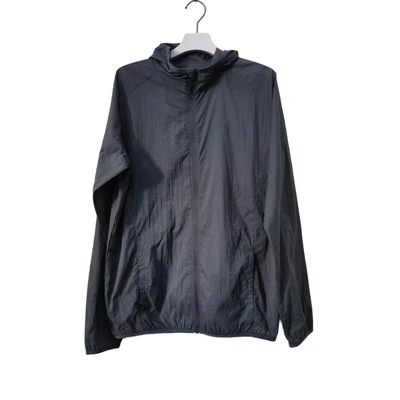
Let’s wrap this up with a quick checklist to reference next time you’re shopping for riding-specific sun clothing:
- Look for durable UPF 50+ rated fabric, tested to retain UPF after at least 20 washes.
- Prioritize an active, tailored fit that prevents riding up or catching on saddle hardware.
- Choose moisture-wicking, lightweight fabric to avoid overheating and chafing during long rides.
- Look for closed necklines, thumb loops, and reinforced seams to protect high-exposure areas.
- Skip thin, mesh weaves, baggy pants, and scratchy seams that are designed for other outdoor activities, not horseback riding.
Sun Protective Clothing As a supplier dedicated to equestrian sun protection, we’ve spent years refining our line to meet the unique needs of riders, and we test every design with input from riders of all levels, from beginner trail riders to national eventers. If you’re looking to stock quality sun protective clothing for your equestrian business, or if you’re a rider who wants to upgrade your gear for safe, comfortable rides all season long, get in touch to discuss bulk orders, custom sizing, or line reviews. We don’t do cookie-cutter gear—we build clothing that works with your saddle, your horse, and your routine, so you can focus on riding, not worrying about sunburn or safety hazards.
References
- International Agency for Research on Cancer. (2019). Solar Ultraviolet Radiation and Human Skin Cancer. IARC Monographs on the Evaluation of Carcinogenic Risks to Humans, 123, 1–568.
- United States Environmental Protection Agency. (2022). UV Index: Science and Health Effects. EPA Office of Air and Radiation.
- Cotton Incorporated. (2021). Ultraviolet Protection Factor (UPF) of Cotton Fabrics as Affected by Moisture and Laundering. Textile Research Journal, 91(11–12), 1327–1335.
- The Skin Cancer Foundation. (2020). Sun Protective Clothing: What to Look For and How It Works. Journal of the American Academy of Dermatology, 83(3), 827–832.
- Equestrian Safety Alliance. (2023). Common Equipment-Related Hazards for Trail and Arena Riders. Equine Veterinary Journal, 55(4), 789–795.
Yancheng Dezhiwang Garments Co., Ltd.
As one of the most professional sun protective clothing manufacturers and suppliers in China, we also support customized service. We warmly welcome you to wholesale bulk high quality sun protective clothing in stock here from our factory. For price consultation, contact us.
Address: No. 1, Xinglong Road, Xinqiao Village, Fucheng Subdistrict, Funing County, Yancheng City, Jiangsu Province, China
E-mail: ntchenguangxi@163.com
WebSite: https://www.dzwoutdoor.com/
