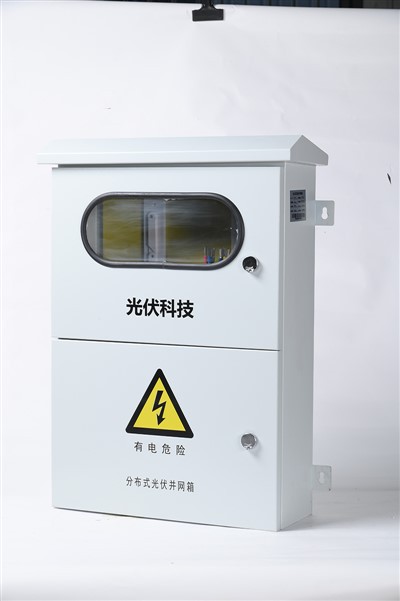
As a seasoned supplier of metal circuit breaker boxes, I’ve witnessed firsthand the critical role cable management plays in ensuring the safety, efficiency, and longevity of electrical systems. Over the years, I’ve encountered various challenges and solutions related to cable management within these boxes. In this blog, I’ll share my insights on the cable management requirements for metal circuit breaker boxes, drawing from my extensive experience in the field. Metal Circuit Breaker Box
1. Safety First: Preventing Electrical Hazards
Safety is the primary concern when it comes to cable management in a metal circuit breaker box. Electrical hazards such as short – circuits, overheating, and electrocution can pose serious risks if cables are not properly managed.
-
Cable Separation: Different types of cables, such as power cables, control cables, and communication cables, should be separated within the breaker box. Power cables carry high – voltage electricity, and if they come in contact with control or communication cables, they can induce electrical noise or even cause short – circuits. For example, in a large industrial setting, the interference between power and communication cables can disrupt data transmission, leading to malfunctions in automated systems. To prevent this, we can use cable separators or dedicated compartments within the breaker box.
-
Adequate Bending Radius: Cables have a minimum bending radius that must be maintained during installation. Bending a cable beyond its recommended radius can damage the internal conductors, insulation, and shielding. This can lead to increased resistance, heat generation, and ultimately, cable failure. As a general rule, the bending radius for most power cables should be at least 5 – 10 times the cable diameter. When installing cables in a metal circuit breaker box, we must ensure that there are no sharp edges or corners that could cause the cables to be bent too tightly.
-
Insulation Integrity: The insulation of cables must be intact and free from damage. Any cuts, abrasions, or punctures in the cable insulation can expose the conductors, increasing the risk of short – circuits and electrical shock. During the installation process, we should carefully inspect the cables for any signs of damage. If damaged cables are found, they should be replaced immediately. Additionally, proper cable support and routing can prevent cables from rubbing against sharp edges inside the breaker box, which could damage the insulation over time.
2. Thermal Management: Keeping the Temperature in Check
Efficient cable management also plays a crucial role in thermal management within the metal circuit breaker box. Excessive heat can degrade the insulation of cables, reduce their lifespan, and even cause premature failure of electrical components.
-
Cable Density: It’s important not to overcrowd the breaker box with cables. High cable density can restrict air flow, leading to heat buildup. When planning the cable layout, we should calculate the number of cables that can be safely accommodated in the box based on its size and ventilation capabilities. A good practice is to leave some space between cables to allow for proper air circulation.
-
Heat Dissipation: Cables generate heat when they carry electrical current. To ensure effective heat dissipation, we can use heat – resistant cables and install heat sinks or cooling fans in the breaker box if necessary. For large industrial applications where high – power cables are used, forced – air cooling systems may be required to maintain the temperature within a safe range.
3. Organization and Accessibility: Facilitating Maintenance and Troubleshooting
Well – organized cables make it easier to perform maintenance, repairs, and troubleshooting tasks in the metal circuit breaker box.
-
Cable Labeling: Each cable should be clearly labeled with its source, destination, and function. This allows maintenance personnel to quickly identify and trace cables, reducing the time and effort required for troubleshooting. For example, in a commercial building’s electrical system, if a circuit breaker trips, the labeled cables can help electricians quickly determine which part of the system is affected.
-
Routing and Support: Cables should be routed in an orderly manner and supported properly to prevent them from sagging or becoming tangled. Cable trays, clips, and ties can be used to secure cables in place and keep them organized. Additionally, the routing should be planned to provide easy access to breaker switches and other electrical components. For example, cables should not be routed in a way that blocks access to the circuit breaker handles.
4. Compatibility with Breaker Box Design: Ensuring a Good Fit
The cable management solution must be compatible with the design of the metal circuit breaker box.
-
Box Size and Configuration: The size and internal configuration of the breaker box determine the number and size of cables that can be installed. Before selecting cables and cable management components, we need to consider the dimensions and layout of the box. For example, a smaller breaker box may require more compact cable management solutions, such as miniature cable ties and smaller cable trays.
-
Sealing and Protection: The breaker box is often exposed to various environmental conditions, such as dust, moisture, and corrosive substances. The cable management system should work in conjunction with the box’s sealing and protection features to prevent the ingress of these contaminants. For outdoor applications, cables should be routed through sealed glands or conduits to protect them from the elements.
5. Compliance with Standards and Regulations
When it comes to cable management in a metal circuit breaker box, compliance with relevant electrical standards and regulations is non – negotiable.
-
National and International Standards: Different countries and regions have their own electrical standards that specify the requirements for cable management in electrical installations. For example, in the United States, the National Electrical Code (NEC) provides detailed guidelines on cable sizing, installation, and safety. Our company ensures that all our metal circuit breaker boxes and associated cable management solutions comply with the applicable national and international standards.
-
Industry – Specific Requirements: Some industries have additional requirements for cable management. For example, the healthcare industry requires strict electrical safety standards to prevent electrical hazards in patient care areas. We work closely with our customers to understand their industry – specific needs and provide customized cable management solutions that meet these requirements.
Conclusion and Call to Action
In summary, proper cable management in a metal circuit breaker box is essential for safety, thermal management, organization, compatibility, and compliance. As a trusted supplier of metal circuit breaker boxes, we have the expertise and experience to provide high – quality cable management solutions tailored to your specific needs.
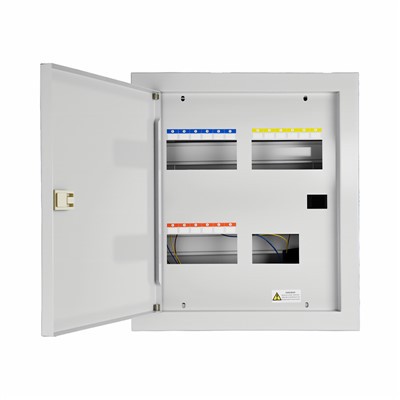
Whether you are working on a small residential project or a large industrial installation, our team can help you ensure that your electrical system is safe, efficient, and reliable. We offer a wide range of products, including cable trays, clips, ties, and separators, as well as custom – designed cable management systems.
GGD Cabinet If you are interested in learning more about our metal circuit breaker boxes and cable management solutions, or if you have a specific project in mind, we encourage you to reach out to us. Our sales team is ready to assist you with product information, pricing, and technical support. Let’s work together to create a successful electrical installation.
References
- National Electrical Code (NEC)
- International Electrotechnical Commission (IEC) Standards
- Electrical Installation Manuals from industry – leading manufacturers
Shandong Qinghua Yike Electric Co., Ltd.
As one of the most experienced metal circuit breaker box manufacturers in China, we also support customized service. We warmly welcome you to buy durable metal circuit breaker box for sale here from our factory. If you have any enquiry about cooperation, please feel free to email us.
Address: No. 378 Taozhuang Village, Zaoyuan Town, Lanshan District, Linyi City, Shandong Province
E-mail: admin@sd-qhyk.com
WebSite: https://www.qhecobox.com/
