Hey there! I’m in the metal nameplate business, and one question I get asked a lot is about the cost – effectiveness of different metal nameplate materials. In this blog, I’m gonna break down the most common materials we use, explain their pros and cons, and help you figure out which one gives you the best bang for your buck. Metal Nameplate
Aluminum Nameplates
Let’s start with aluminum. It’s one of the most popular choices out there. First off, aluminum is super lightweight. This makes it easy to handle during installation, and it won’t add unnecessary weight to whatever it’s attached to. Whether it’s a small electronic device or a large industrial machine, aluminum nameplates won’t cause any extra strain.
Another great thing about aluminum is its corrosion resistance. It’s got a natural oxide layer that protects it from rust and other forms of corrosion. So, if your nameplates are going to be exposed to the elements, like in an outdoor environment or a humid factory setting, aluminum can last a long time without showing signs of wear.
Now, let’s talk about cost. Aluminum is relatively inexpensive compared to some other metals. It’s widely available, and the production process is well – established, which keeps the costs down. This makes it a great option for customers who are on a budget but still need a quality nameplate.
But there are a few downsides. Aluminum isn’t as strong as some other metals. If your nameplate is going to be subject to a lot of physical stress, like being knocked around or scratched frequently, it might not hold up as well. Also, while it has good corrosion resistance, in extremely harsh chemical environments, it might start to degrade over time.
Stainless Steel Nameplates
Next up, we’ve got stainless steel. Stainless steel is known for its durability. It’s a tough metal that can withstand a lot of abuse. Whether it’s high – impact situations or exposure to chemicals, stainless steel nameplates are built to last.
One of the key advantages of stainless steel is its aesthetic appeal. It has a sleek, modern look that can give your product a high – end feel. This makes it a popular choice for luxury items, high – tech equipment, and even architectural applications.
In terms of corrosion resistance, stainless steel is top – notch. It can handle a wide range of environmental conditions, from salty sea air to acidic industrial fumes. This means your nameplates will stay looking good and legible for a long time.
However, all these benefits come at a cost. Stainless steel is more expensive than aluminum. The raw material itself is pricier, and the manufacturing process can be more complex, which drives up the overall cost. So, if you’re working on a tight budget, stainless steel might not be the best option for you.
Brass Nameplates
Brass is another material we work with a lot. Brass has a warm, golden appearance that gives a classic and elegant look to nameplates. It’s been used in traditional craftsmanship for centuries and still holds a lot of appeal today.
One of the advantages of brass is its workability. It’s a soft metal, which means it can be easily shaped, engraved, or embossed. This allows for detailed and intricate designs on your nameplates. Whether you want to add your company logo or a decorative pattern, brass can handle it.
Brass also has some natural antimicrobial properties. This makes it a good choice for nameplates in areas where hygiene is important, like in hospitals or food processing facilities.
But brass does have its challenges. It’s prone to tarnishing over time. The natural copper content in brass reacts with oxygen in the air, causing it to develop a patina. While some people like the aged look of tarnished brass, others might prefer a consistently shiny appearance. You can slow down the tarnishing process with coatings, but that adds to the cost. And like stainless steel, brass is more expensive than aluminum.
Zinc Alloy Nameplates
Zinc alloy is a material that has gained popularity in recent years. One of the big advantages of zinc alloy is its ability to be cast into complex shapes with high precision. This means you can have detailed and accurate nameplate designs without having to go through a lot of secondary machining steps.
Zinc alloy is also relatively inexpensive. It offers a good balance between cost and quality. It’s not as strong as some of the other metals, but for applications where the nameplate isn’t going to face extreme stress, it works just fine.
However, zinc alloy has a lower melting point compared to other metals. This can be a problem in high – temperature environments. If your nameplates are going to be exposed to heat, you might need to consider a different material.
Comparing Cost – Effectiveness
When it comes to cost – effectiveness, it really depends on your specific needs. If you’re on a tight budget and need a nameplate for a non – critical application where durability isn’t the top priority, aluminum is your best bet. It’ll give you a decent – quality nameplate at a low cost.
If you need a nameplate that can withstand harsh conditions and want a high – end look, stainless steel is worth the extra investment. Sure, it costs more, but the long – term durability and aesthetic appeal make it a good choice for high – value products.
Brass is a great option if you’re looking for a classic look and the ability to create detailed designs. But be prepared to deal with tarnishing and a higher price tag.
Zinc alloy is a good middle – ground option. It offers decent precision in design at a relatively low cost, but it has limitations in high – temperature environments.
Making the Right Choice
As a metal nameplate supplier, my job is to help you make the right choice. I always start by understanding your requirements. What kind of environment will the nameplate be in? How important is the appearance? What’s your budget? Once I have all this information, I can recommend the most cost – effective material for your project.
If you’re still not sure which material is best for you, don’t worry. You can reach out to me, and we can have a chat. I’ve got plenty of samples on hand, so you can see and feel the different materials for yourself.
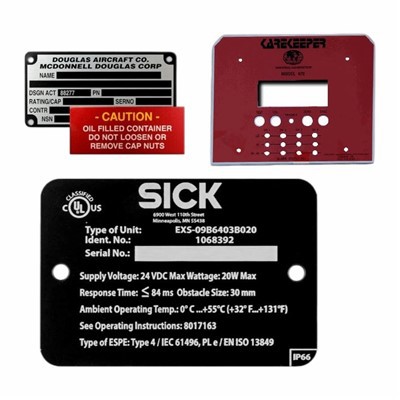
In conclusion, there’s no one – size – fits – all answer when it comes to the cost – effectiveness of different metal nameplate materials. Each material has its own strengths and weaknesses, and your decision should be based on your specific needs and budget. So, if you’re in the market for metal nameplates, take the time to consider all your options, and I’m here to assist you every step of the way.
Plastic Label If you’re interested in getting some metal nameplates for your products, I’d love to have a chat with you. Just reach out, and we can discuss your requirements in detail. Whether you need a small batch for a prototype or a large – scale production run, I’ve got the expertise and resources to deliver high – quality nameplates that meet your needs.
References
- "Metals in Manufacturing: A Comprehensive Guide", Industrial Metals Press
- "Handbook of Metal Corrosion Resistance", Corrosion Science Institute
- "Nameplate Design and Production Techniques", Manufacturing Lifestyle Publications
Guizhou Mingguan Sign Nameplate Products Co., Ltd.
We’re well-known as one of the leading metal nameplate manufacturers and suppliers in China. With abundant experience, we warmly welcome you to wholesale bulk customized metal nameplate at low price from our factory. For quotation and free sample, contact us now.
Address: Xinpu New District, Zunyi City, Guizhou Province of China
E-mail: zhangyixuanmglabel@126.com
WebSite: https://www.mingguan-label.com/
