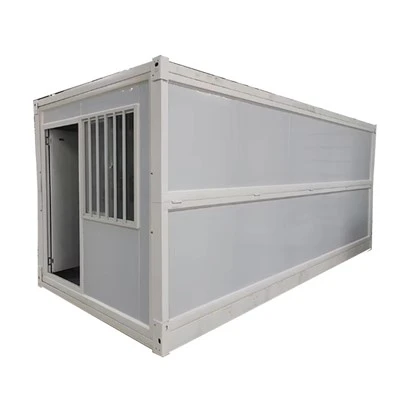
When it comes to expandable container houses, a lot of people are drawn to their flexibility, convenience, and cost – effectiveness. As a supplier of expandable container houses, I’m often asked about the installation requirements. In this blog, I’ll delve into the key aspects that you need to consider before installing an expandable container house. Expandable Container House

Site Selection
The first crucial step is choosing the right site for the container house installation. A suitable site can ensure the longevity and stability of the house.
Ground Condition
The ground where the container house will be installed needs to be relatively flat. A slope of more than 5 degrees can cause uneven stress on the house structure and may lead to damage over time. For instance, if the ground is tilted, the expandable parts may not expand or retract smoothly.
It’s also essential to assess the soil type. Soft or loose soil, such as silt or clay, may not provide sufficient support. In such cases, additional ground preparation is required. One way is to compact the soil using heavy machinery. Another option is to build a concrete foundation. A concrete foundation can distribute the weight of the container house evenly, preventing settling or tilting.
Accessibility
The installation site should be easily accessible for the transportation vehicles and installation equipment. There should be enough space for a large truck to maneuver and unload the container house. If the site is in a narrow alley or a place with low – hanging obstacles, it may be difficult or even impossible to deliver the container house safely.
Utilities Connection
An expandable container house is like any other living or working space and requires various utilities to function properly.
Electrical System
Before installation, plan the electrical connection. Determine the power requirements of the appliances and devices that will be used in the house. You need to ensure that there is a nearby power source. If not, you may need to install a dedicated electrical line.
When connecting the electrical system, it must comply with local electrical codes. This includes proper grounding, using the right gauge of wires, and installing appropriate circuit breakers. For example, in some areas, the use of certain types of electrical connectors may be regulated to prevent electrical fires.
Water Supply and Drainage
Water is essential for daily activities such as cooking, cleaning, and bathing. If there is a water source nearby, you can connect the container house to it. However, you need to ensure that the water pressure is sufficient to supply all the fixtures in the house.
Regarding drainage, a proper sewer or septic system connection is necessary. If the container house is located in an area without a municipal sewer system, a septic tank may need to be installed. The drainage pipes should be properly sloped to allow for smooth water flow and prevent clogging.
Structural Considerations
The expandable container house has a unique structure that needs special attention during installation.
Assembly and Expansion
Follow the manufacturer’s instructions carefully during the assembly process. The expandable parts are designed to fit together precisely. Incorrect assembly can lead to issues such as leaks, poor insulation, or even structural failure.
When expanding the house, make sure the expansion mechanism is working properly. Lubricate the moving parts regularly to ensure smooth operation. Check for any signs of wear and tear on the expansion parts, such as bent tracks or damaged hinges.
Anchoring
To ensure the stability of the container house, it needs to be properly anchored to the ground. This is especially important in areas prone to high winds, earthquakes, or floods. There are different types of anchoring systems available, such as ground screws, concrete weights, or anchor bolts.
Ground screws are a popular choice as they are easy to install and can provide good holding power. Concrete weights can also be effective, but they may require more space and be more difficult to move if needed. Anchor bolts are ideal for houses installed on a concrete foundation.
Weather and Environmental Factors
The local weather and environmental conditions should also be taken into account during the installation process.
Climate
In cold climates, proper insulation is crucial. Make sure the container house has sufficient insulation in the walls, roof, and floor to keep the interior warm. You may also need to install a heating system.
In hot and humid climates, ventilation is important. Install proper windows and vents to allow fresh air to circulate and prevent the buildup of moisture, which can lead to mold and mildew growth.
Natural Disasters
If the site is in an area prone to natural disasters such as hurricanes or earthquakes, additional reinforcement may be required. For example, in hurricane – prone areas, the container house may need to be reinforced with hurricane straps to prevent it from being blown away.
Permits and Regulations
Before installing an expandable container house, it’s essential to check local building codes and obtain the necessary permits. Different regions have different regulations regarding the installation of container houses.
Some areas may require a building permit, which involves submitting detailed plans of the container house, including its size, layout, and structural features. There may also be regulations regarding the distance from property lines, setbacks, and the overall appearance of the house.
Failure to comply with local regulations can result in fines or even the removal of the container house. Therefore, it’s important to do your research and work with local authorities to ensure that everything is in order.
Modular Container Homes Now that you know the installation requirements for an expandable container house, you may be considering purchasing one. If you’re interested in our high – quality expandable container houses, we’d love to hear from you. Contact us to discuss your specific needs, and our team of experts will be happy to provide you with detailed information, customized solutions, and a competitive quote.
References
- Building Construction Handbook, McGraw – Hill
- Electrical Code Handbook, National Fire Protection Association
- Local Building Regulations documents from relevant municipalities.
Jiangsu Suqian Longze Modular Construction Co., Ltd.
As one of the most professional expandable container house manufacturers and suppliers in China, our products have good reputation in the market. Please feel free to buy high quality expandable container house at competitive price from our factory. We also accept customized orders.
Address: No. 8, Weisan Road, Shuanggou Town, Sihong County, Suqian City, Jiangsu Province, China
E-mail: Lzmk88888888@163.com
WebSite: https://www.expandablehousefactory.com/
