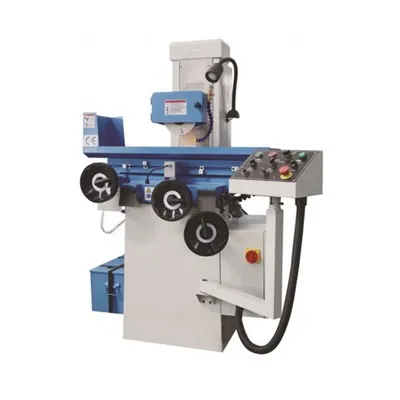
As a supplier of manual surface grinders, I understand the significance of maintaining and optimizing the performance of these machines. One of the critical aspects of this maintenance is knowing when to replace the grinding wheel. In this blog, I’ll share my insights on how to judge the right time to replace the grinding wheel in a manual surface grinder, based on my years of experience in the industry. Manual Surface Grinder
Understanding the Role of Grinding Wheels
Grinding wheels are the heart of a manual surface grinder. They are responsible for removing material from the workpiece to achieve the desired surface finish and dimensional accuracy. Over time, however, the grinding wheel wears down due to the constant friction and abrasion during the grinding process. This wear can significantly affect the quality of the grinding operation and the lifespan of the grinder itself.
Visual Inspection
One of the simplest and most effective ways to determine if a grinding wheel needs replacement is through visual inspection. Regularly examine the grinding wheel for signs of wear, such as uneven wear patterns, cracks, or chips. Uneven wear can cause the wheel to become unbalanced, leading to vibrations during the grinding process. These vibrations can not only affect the quality of the finished workpiece but also put additional stress on the grinder’s components, potentially leading to premature failure.
Cracks and chips in the grinding wheel are even more serious issues. A cracked wheel can break apart during operation, posing a significant safety risk to the operator. If you notice any cracks or chips, it’s crucial to replace the wheel immediately.
Monitoring the Grinding Performance
Another way to judge when to replace the grinding wheel is by monitoring the grinding performance. Pay attention to the following indicators:
- Surface Finish: If the surface finish of the workpiece starts to deteriorate, it could be a sign that the grinding wheel is worn out. A worn wheel may not be able to remove material evenly, resulting in a rough or uneven surface.
- Grinding Force: An increase in the grinding force required to achieve the desired material removal rate can indicate that the wheel is losing its cutting ability. This can be due to dull abrasive grains or a clogged wheel.
- Spark Pattern: The pattern of sparks generated during grinding can also provide valuable information about the condition of the grinding wheel. A healthy wheel typically produces a consistent and well-defined spark pattern. If the spark pattern becomes irregular or weak, it may be time to replace the wheel.
Measuring the Wheel Diameter
The diameter of the grinding wheel decreases as it wears down. Most grinding wheels have a specified minimum diameter, beyond which they should not be used. Regularly measure the diameter of the grinding wheel using a caliper or a micrometer. If the diameter reaches the minimum specified value, it’s time to replace the wheel.
Checking the Wheel’s Balance
An unbalanced grinding wheel can cause vibrations and uneven wear, which can affect the quality of the grinding operation and the lifespan of the grinder. To check the balance of the wheel, you can use a balancing stand. If the wheel is out of balance, it can be corrected by adding or removing weights. However, if the wheel is severely worn or damaged, it may need to be replaced.
Considering the Type of Material Being Ground
The type of material being ground can also affect the lifespan of the grinding wheel. Harder materials, such as stainless steel or carbide, require a more aggressive grinding wheel and may cause the wheel to wear out more quickly. Softer materials, on the other hand, may require a less aggressive wheel and may not cause as much wear.
When grinding different materials, it’s important to choose the right grinding wheel for the job. Using the wrong wheel can not only reduce the lifespan of the wheel but also affect the quality of the finished workpiece.
Frequency of Use
The frequency of use of the manual surface grinder also plays a role in determining when to replace the grinding wheel. If the grinder is used frequently, the grinding wheel will wear out more quickly than if it is used less often. In general, it’s a good idea to replace the grinding wheel after a certain number of hours of use, depending on the type of material being ground and the intensity of the grinding operation.
Importance of Regular Maintenance
Regular maintenance of the manual surface grinder is essential for ensuring the optimal performance of the grinding wheel. This includes cleaning the grinder, lubricating the moving parts, and checking the alignment of the wheel. By keeping the grinder in good condition, you can extend the lifespan of the grinding wheel and improve the quality of the grinding operation.
Conclusion

Knowing when to replace the grinding wheel in a manual surface grinder is crucial for maintaining the quality of the grinding operation and the lifespan of the grinder. By regularly inspecting the wheel, monitoring the grinding performance, measuring the wheel diameter, checking the balance, considering the type of material being ground, and taking into account the frequency of use, you can make an informed decision about when to replace the wheel.
Precision Surface Grinder As a supplier of manual surface grinders, I’m committed to providing high-quality products and excellent customer service. If you have any questions or need further information about grinding wheels or manual surface grinders, please don’t hesitate to contact me. I’m here to help you make the right choice for your grinding needs.
References
- "Grinding Technology: Theory and Applications of Machining with Abrasives" by Malkin, S.
- "Handbook of Machining with Grinding Wheels" by Rowe, W. B.
- "Manufacturing Engineering and Technology" by Kalpakjian, S. and Schmid, S. R.
Wuxi Mingxu Machinery Equipment Co., Ltd.
As one of the most professional manual surface grinder manufacturers and suppliers in China, we’re featured by quality products and good price. Please rest assured to buy the best manual surface grinder for sale here from our factory. Also, custom service is available.
Address: No. 5-5 Jinke Wealth Plaza, Changjiang North Road, Xinwu District, Wuxi City, Jiangsu Province
E-mail: yingyingmxjd@163.com
WebSite: https://www.mingxu-china.com/
