Are palisade fences energy – efficient? Palisade Fence
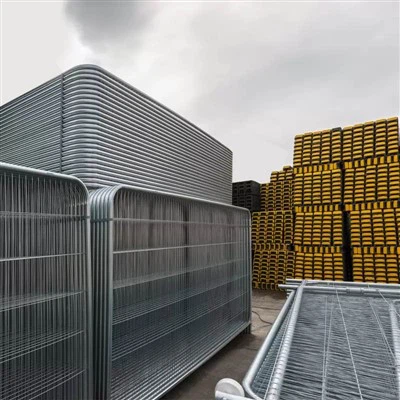
As a supplier of palisade fences, I’ve often been asked about the energy – efficiency of these structures. It’s a question that delves into the intersection of functionality, environmental impact, and cost – effectiveness. In this blog, I’ll explore the various aspects of palisade fences in relation to energy efficiency, providing a comprehensive analysis based on scientific knowledge and real – world experience.
Understanding Palisade Fences
Palisade fences are vertical wooden or metal stakes or posts placed in a row, often used for security, privacy, and aesthetic purposes. They come in a variety of materials, including wood, steel, and aluminum. Each material has its own set of properties that can influence energy – related factors.
Energy – Efficiency in Terms of Insulation
One of the primary ways to assess the energy – efficiency of a fence is through its insulation properties. Wood palisade fences, for example, have some natural insulating capabilities. Wood is a poor conductor of heat, which means it can help to reduce heat transfer between the two sides of the fence. This can be beneficial in both hot and cold climates.
In hot climates, a wooden palisade fence can act as a barrier, preventing the sun’s heat from directly hitting the area behind the fence. This can help to keep the interior cooler, reducing the need for excessive air – conditioning. In cold climates, the wood can help to retain heat, providing a small amount of insulation against the cold.
However, the insulation properties of wood palisade fences can be limited. The gaps between the palisades can allow air to flow through, reducing the overall insulating effect. To improve insulation, some people choose to use solid wood panels or add additional insulation materials to the fence.
Metal palisade fences, on the other hand, are generally not as good at insulation as wood. Metals are good conductors of heat, which means they can transfer heat quickly. In hot weather, a metal fence can become very hot, radiating heat into the surrounding area. In cold weather, it can lose heat rapidly. However, some metal fences can be coated or treated to improve their insulation properties.
Energy – Efficiency in Terms of Manufacturing
Another aspect to consider is the energy required to manufacture palisade fences. The production of wood palisade fences typically involves cutting down trees, processing the wood, and transporting it to the site. While wood is a renewable resource, the manufacturing process still requires energy.
On the other hand, the production of metal palisade fences involves mining, refining, and shaping the metal. This process is generally more energy – intensive than the production of wood fences. However, metal fences are often more durable and require less maintenance over their lifetime, which can offset some of the initial energy costs.
Energy – Efficiency in Terms of Long – Term Use
In the long – term, the energy – efficiency of a palisade fence also depends on its durability and maintenance requirements. A well – built and maintained fence will last longer, reducing the need for frequent replacements. This can save energy in the long run, as the production of new fences requires a significant amount of energy.
Wood palisade fences may require regular maintenance, such as painting or staining, to protect them from the elements. If not properly maintained, they can rot or decay, which may necessitate replacement. Metal palisade fences, on the other hand, are generally more resistant to the elements and require less maintenance. However, they may be more prone to rust if not properly coated or treated.
Energy – Efficiency and Environmental Impact
In addition to energy – efficiency, it’s important to consider the environmental impact of palisade fences. Wood is a renewable resource, and if sourced sustainably, it can have a relatively low environmental impact. However, the logging and processing of wood can still have negative effects on the environment, such as deforestation and habitat destruction.
Metal palisade fences, on the other hand, have a higher initial environmental impact due to the energy – intensive manufacturing process. However, they can be recycled at the end of their lifespan, which can reduce their overall environmental footprint.
Case Studies
Let’s look at some real – world examples to illustrate the energy – efficiency of palisade fences. In a residential area in a hot climate, a homeowner installed a wooden palisade fence around their backyard. By providing shade and reducing the direct impact of the sun, the fence helped to lower the temperature in the backyard by a few degrees. This, in turn, reduced the need for air – conditioning, resulting in energy savings.
In an industrial area, a company installed a metal palisade fence around its premises. The fence was made of recycled steel, which reduced the energy required for manufacturing. The durability of the metal fence also meant that it required less maintenance over time, further reducing energy consumption.
Conclusion
So, are palisade fences energy – efficient? The answer is not straightforward. It depends on various factors, including the material of the fence, its insulation properties, the energy required for manufacturing, and its long – term maintenance requirements.
Wood palisade fences can offer some insulation benefits, especially in certain climates, and are a renewable resource. However, they may require more maintenance. Metal palisade fences are generally more durable and require less maintenance, but their manufacturing process is more energy – intensive.
As a palisade fence supplier, I can offer a range of options to meet your specific needs. Whether you’re looking for an energy – efficient solution in a hot climate or a durable fence for an industrial site, we can help you find the right palisade fence.
If you’re interested in learning more about our palisade fences or would like to discuss your specific requirements, please feel free to contact us. We’re here to assist you in making an informed decision about your fencing needs.
BRC Fence References
- "Building Materials and the Environment: Eco – efficiency in Construction" by David C. H. Wall
- "Sustainable Design and Construction" by Charles J. Kibert
Hebei Tengshan Wire Mesh Co., Ltd.
As one of the most experienced palisade fence manufacturers and suppliers in China, we offer a wide range of products with superior quality. Please feel free to buy durable palisade fence at competitive price from our factory. Welcome to view our website for more information.
Address: 300 Meters South of Beihoutuan Village, Anping County, Hengshui City, Hebei Province
E-mail: bellawiremesh123@gmail.com
WebSite: https://www.tengshanmetal.com/
