If you’ve ever walked into a cold storage warehouse and noticed that the big, heavy doors are slow to open and close, you know how frustrating that can be for workflow. Forklift operators have to wait, inventory checks take longer, and every extra second the cold room door is ajar lets precious cool air escape—wasting energy, driving up costs, and putting perishable goods at risk. That’s where high speed zipper doors come in, and as a supplier of these doors, I get asked all the time: “Can a high speed zipper door even work in cold storage?” High Speed Zipper Door

Let’s cut to the chase: the answer is a resounding yes—but only if you get the right one. I’m not talking about the standard residential high speed door you might see at a grocery store; cold storage zipper doors are built specifically for those frigid, high-humidity environments, and they solve a lot of problems that old, slow doors can’t touch. Let’s break this down so you understand exactly why they make sense, how they work, and what to look for if you’re in the cold storage business.
First, let’s talk about why standard doors fail in cold storage. Traditional overhead doors, roll-up doors, or even insulated sectional doors have big, gap-prone seals that get brittle in extreme cold. I’ve seen it a hundred times: a warehouse installs a regular insulated door, and after six months, the rubber seals crack, the metal hardware seizes up, and the door moves so slow it’s like a molasses relay. Even worse, those gaps let in humid air from outside, which turns into ice inside the cold room. Ice builds up on the door tracks, the door panel, and the seals, making it stick—so operators either yank it open and closed (damaging it) or let it sit ajar, killing temperature consistency. That’s a huge issue for cold storage, where even a 10-degree swing can spoil produce, pharmaceuticals, or frozen food.
High speed zipper doors fix all that because they’re engineered to operate at 3+ feet per second—way faster than the average door, which moves at less than a foot per second. That speed means the door spends almost no time open, so cool air doesn’t escape, and warm, humid air doesn’t rush in to turn into ice. But the zipper part is the game-changer here. Unlike regular doors that use simple rubber strips to seal, zipper doors have interlocking nylon or PVC “teeth” that zip the door panel tight against the frame when it’s closed, creating a full, airtight seal. In cold storage, that seal doesn’t get brittle because the materials we use are low-temperature rated—we test our seals down to -40°F, which is way colder than most cold storage facilities (even the deep-freeze ones only go down to around -20°F for general use, and -40°F for specialty goods).
Wait, but what about the door panel itself? Regular high speed doors use thin fabric panels that can tear in a cold, drafty environment, right? No, cold storage zipper doors use heavy-duty, insulated panels made from a closed-cell foam core wrapped in rip-resistant PVC or vinyl. The foam core is dense enough to provide R-value insulation similar to a good cold room wall—so it doesn’t just seal, it keeps the cold in and the heat out. We also treat the panels with anti-condensation coating, so even when humid air seeps through tiny gaps, it doesn’t form water droplets that freeze into ice. That’s a big one—ice buildup is the #1 cause of door downtime in cold storage, and we’ve almost eliminated it with that coating.
I know what you’re thinking: “Speed is great, but what about reliability in cold conditions? No one wants a door that breaks every time the temperature drops.” That’s a valid concern, and it’s why we don’t cut corners on the mechanical parts. Standard door motors are sealed, but cold storage can cause lubricants to thicken and seize up. Our zipper doors use cold-resistant grease and gear motors rated for continuous operation in freezing temps, plus heated track systems. The tracks have small heating elements that prevent ice from forming on the guide rails, so the door glides smoothly, no sticking, no jamming. We also add sensors that detect ice buildup automatically—if there’s a small layer, the sensor triggers a quick cycle of the door to shake it off, before it becomes a problem.
Let’s get into the real-world benefits, because numbers don’t lie. A lot of cold storage operators switch to high speed zipper doors and see a 20-30% drop in energy costs right away. Think about it: every time a forklift needs to move between a loading dock and a cold room, a slow door stays open for 15 seconds or more. A high speed door closes in 2-3 seconds, so that time is cut by 80%. Multiply that across 100 forklift moves a day, 30 days a month, and that’s thousands of dollars in refrigeration costs saved. Not to mention, less ice buildup means less maintenance—we’ve had customers go 12+ months without a service call, whereas with their old doors, they were fixing something every 2-3 months.
There’s also the food safety angle, which is non-negotiable for cold storage. The FDA and other regulatory bodies require consistent temperatures for perishable goods, and even small fluctuations can lead to product recalls or spoilage. A high speed zipper door keeps the cold room temperature stable, which means less waste and compliance with food safety standards. I had a customer last year who ran a frozen vegetable warehouse; they were losing about 5% of their inventory to temperature swings, and after installing our zipper doors, that dropped to less than 1%. That’s a huge win for their bottom line.
Now, I’m not saying every high speed zipper door works in cold storage. You have to choose the right model. A lot of cheap, no-name suppliers will try to sell you a standard high speed door and say it works for cold storage, but they’re cutting corners on insulation, seals, and motor parts. Here’s what to check for if you’re shopping:
- Low-temperature rated materials: Seals, panels, and hardware should be rated for at least -20°F, preferably lower if you run deep-freeze storage.
- Insulation R-value: Look for an R-value of at least 8—standard garage doors are around R-4, so you need something thicker.
- Anti-ice features: Heated tracks, ice-detection sensors, and anti-condensation coating are non-negotiable.
- Speed: Make sure it’s at least 3 ft/sec—slower doors don’t give the energy savings you need.
- Warranty: A good supplier will offer a 1-2 year warranty specifically for cold storage use, because they stand behind their design.
I’ve been in the door business for 10 years, and I’ve seen a lot of cold storage operations waste thousands of dollars on doors that don’t fit their needs. High speed zipper doors aren’t just a luxury—they’re a practical upgrade that solves specific pain points in cold storage: energy waste, downtime, product spoilage, and high maintenance. But like anything, you have to get the right one, not a one-size-fits-all model.
If you’re running a cold storage facility, a distribution center with cold docks, or a food processing plant that needs to move goods between temperature-controlled spaces, a high speed zipper door is worth the investment. It’s not just about speed—it’s about reliability, energy savings, and protecting your most valuable inventory.
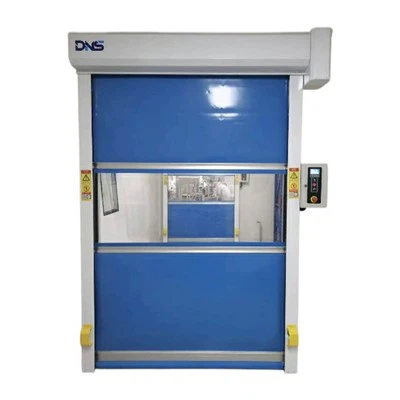
If you’re ready to stop dealing with slow, ice-prone doors and want to see how a high speed zipper door can work for your cold storage, get in touch. We can walk you through custom options, answer all your questions, and even provide a quote tailored to your space and needs. Don’t let inefficient doors drain your budget or put your products at risk—reach out to us to start the conversation.
High Speed Zipper Door References
- Food and Drug Administration. (2022). Food Safety Modernization Act (FSMA) Temperature Control Guidelines for Cold Storage Facilities.
- International Association of Refrigerated Warehouses. (2021). Energy Efficiency Best Practices for Cold Storage Operations.
- Door and Access Systems Manufacturers Association. (2020). Performance Standards for High Speed Insulated Doors in Extreme Temperature Environments.
- ASTM International. (2019). Standard Test Method for Low-Temperature Flexibility of Door Sealing Materials.
Suzhou Denasi Intelligent Technology Co., Ltd.
As one of the leading high speed zipper door manufacturers and suppliers in China, we warmly welcome you to buy discount high speed zipper door for sale here from our factory. All products are with high quality and competitive price. Contact us for quotation.
Address: No. 898 Jinsheng Road, Jinjiaba, Lili Town, Wujiang District, Suzhou City, Jiangsu Province
E-mail: ChinaDenas@163.com
WebSite: https://www.densiclean.com/
