If you’ve ever stared at your wardrobe the night before a formal event—whether it’s a black-tie gala, a wedding reception, or a corporate awards dinner—you’ve probably asked the same question I’ve heard a hundred times from clients, stylists, and even first-time brides: Can I really wear an embroidered scarf here? For years, formal dress codes have leaned toward rigid, unbroken rules: little black dresses for women, crisp tuxedos for men, no “casual” accessories, no “frivolous” embellishments. But as someone who’s spent the last 12 years sourcing, designing, and selling embroidered scarves to everyone from A-list stylists to small-batch boutique owners, I’m here to tell you the answer isn’t a simple “yes” or “no”—it’s about how you wear it, what it’s made of, and how you frame it within the unspoken rules of formal events. Embroidered Scarf

Let’s start with the basics, because formal events aren’t monolithic. The term “formal” covers a huge spectrum, and one of the biggest mistakes people make is treating a black-tie gala the same as a semi-formal charity dinner. Black-tie events, often requiring floor-length gowns or tuxedos, give you more flexibility than you think—if you pick the right embroidered scarf. I remember last year a client of mine, a stylist working on a major awards show, reached out panicking three days before the event: her lead actress’s custom satin gown felt too plain, and she needed something to add personality without breaking dress code. We sent her a slim, 100% silk embroidered scarf in muted navy and silver thread, with tiny, delicate floral motifs stitched along the edges—no loud beads, no neon, no oversized designs. The actress wore it draped loosely over one shoulder, tucked just enough to keep it from looking like a casual wrap, and she ended up winning best-dressed on multiple red carpet roundups. That’s the sweet spot: embroidery that’s intentional, not flashy, and made with a fabric that feels luxurious enough for the room.
Not all embroidered scarves are created equal, and this is where quality makes all the difference. Too often, people think embroidered means bulky, gaudy, or cheap—think of the scratchy polyester scarves you’d pick up at a tourist shop, covered in large, uneven stitches that fray after one wash. But the embroidered scarves we supply are made with fine, pure fabrics: silk charmeuse, wool crepe, cotton voile, all stitched with high-twist silk thread or fine cotton, with precise, consistent embroidery that’s either delicate (1-2mm stitches) or moderately sized but well-balanced. For formal events, the key is to prioritize fabric over size. A thin silk embroidered scarf, even if it’s 60 inches long, will look refined when draped, while a bulky wool scarf with oversize sequined embroidery will read as casual or costume-y, no matter how much you style it. I always tell people: if you can crumple the scarf in your fist and it looks like a piece of polished, expensive fabric, it’s formal-appropriate. If it feels stiff, bulky, or has thick, uneven stitching that catches on your clothes, leave it at home.
Styling is where 90% of the decision happens, and there’s no one “right” way to wear an embroidered scarf to a formal event, only ways that work (and ways that don’t). Let’s break down the most common event types to make this practical, not theoretical. For black-tie events: stick to slim, medium-length scarves (around 40-50 inches) in neutral or subtle, deep tones—navy, charcoal, soft gold, burgundy—with embroidery that’s minimal: small florals, geometric patterns, or even delicate monograms. The best way to wear it here is to drape it loosely around your neck, with the ends falling evenly over your shoulders, or wrap it once so it sits high on your collarbone, like a refined necklace. Avoid wrapping it multiple times so it creates bulk; that looks more like a holiday party accessory than formal wear.
For cocktail attire events, which are slightly less rigid (think: a charity gala or a corporate holiday party where jeans are banned but floor-length gowns aren’t required), you have a little more room to play. A longer, slightly wider embroidered scarf—up to 70 inches—can work here, especially if you pair it with a slip dress, a tailored jumpsuit, or even a well-fitted blazer and trousers. We supplied a pair of embroidered silk scarves last year to a group of male event attendees who wanted to skip the traditional silk tie for a formal dinner, and instead tied the thin, subtly embroidered scarves around their necks in a slim knot, matching the thread color to their pocket squares. It was a small change, but it made them stand out as thoughtful and stylish, not underdressed. The rule here: don’t let the embroidery overshadow the rest of your outfit. If your gown is plain, the scarf can have a slightly larger pattern, but if your dress has lace, beading, or other embellishments, keep the scarf’s embroidery simple.
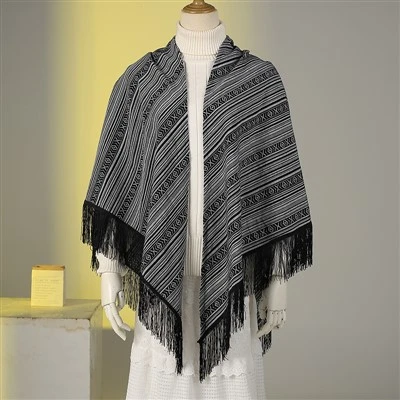
Now, what about the mistakes to avoid? I’ve seen a lot of missteps over the years, and they almost all boil down to one thing: the scarf is trying too hard to be the center of attention, rather than a complementary accessory. First, avoid oversized embroidery—think big, bold logos, sequins, or motifs that take up more than 20% of the scarf’s surface. At a formal event, every accessory should serve to enhance your outfit, not compete with it. Second, avoid casual fabrics. A cotton embroidered scarf works for a brunch or a wedding guest outfit, but it will look out of place at a black-tie gala or a corporate board dinner. Stick to silk, silk-wool blends, or high-quality cashmere for the most formal settings. Third, don’t style it like a casual wrap. I’ve seen people drape an embroidered scarf over their entire shoulders like a shawl for a formal event, and while that works for some, it’s a trickier look that only works if the scarf is thin, lightweight, and the pattern is understated. If you’re worried about it looking too casual, keep the silhouette slim and tailored.
But here’s the thing I want people to understand: formal dress codes are not written in stone. They’re guidelines created to make everyone feel comfortable and respected, not to box people in. For decades, scarves have been a staple in formal wardrobes—think of the silk cravats men wore to 19th-century balls, or the delicate embroidered scarves that were part of women’s formal attire in the 1950s. The embroidered scarf is just a modern iteration of that timeless accessory, one that adds personality and craft to an outfit without breaking any rules—if you choose and style it right.
I also want to address a common hesitation I hear from first-time buyers: “What if I pick the wrong color?” The best advice I can give here is to match the scarf to your outfit’s undertones, not its exact color. If you’re wearing a black gown, a navy embroidered scarf with silver or white thread will pop without clashing. If you’re wearing a beige or champagne gown, a soft gold or ivory embroidered scarf with subtle floral motifs will add warmth. If you’re wearing a deep red gown, a burgundy scarf with gold thread will feel cohesive. The key is to pick tones that complement, not mirror, your main outfit, so the scarf adds dimension without feeling like an afterthought.
Another point I often talk to customers about is craft. When you buy an embroidered scarf, you’re not just buying an accessory—you’re buying a piece of handcrafted or precision-made art, designed to be a lasting part of your wardrobe, not a one-time use item. That’s why all the embroidered scarves we supply are made with durable, high-quality materials, with embroidery that’s stitched to last for years, not just one event. A well-made embroidered scarf is an investment piece that you can pull out for weddings, galas, corporate events, even anniversary dinners—so it’s worth choosing one that’s versatile, not just perfect for one night.
I’ve spent so much time talking about women’s outfits, but embroidered scarves work for men too, and that’s a part of formal fashion that’s often overlooked. A thin, silk embroidered scarf in a deep navy or charcoal, with subtle geometric embroidery, can be worn with a tuxedo, replacing a traditional tie for a look that’s more unique and personal. We’ve had grooms use embroidered scarves to coordinate with their wedding parties, or corporate executives use them to add a pop of subtle personality to a formal board meeting. The only rule for men is to keep the style slim—no bulky wraps, no loud patterns—and pair it with a tailored outfit to keep the look polished.
At the end of the day, the answer to “Can I wear an embroidered scarf to a formal event?” is a resounding yes—if you pick the right one. If it’s made of a fine, luxurious fabric, has subtle, well-crafted embroidery, and is styled to complement, not compete with, your outfit, it will look elegant, intentional, and perfectly appropriate for any formal setting. Too many people hide their personal style when dressing for formal events, sticking to safe, uninteresting pieces because they’re afraid of breaking rules. But formal events are meant to celebrate milestones, and a carefully chosen embroidered scarf is the perfect way to add a touch of your personality to the occasion, without looking out of place.
If you’re ready to find the right embroidered scarf for your next formal event, or if you’re a stylist, event planner, or boutique owner looking for high-quality, formal-appropriate embroidered scarves for your clients, we’d love to hear from you. Our team works with everyone from individual buyers to large corporate clients, and we can help you select, customize, or source the perfect scarf to fit your needs. Whether you need a single scarf for an upcoming gala or bulk orders for a wedding party, we’re here to help you find a piece that’s both stylish and formal.
Solid Color Scarf References
- Fashion Institute of Technology. (2021). Formal Dress Codes: A Historical and Contemporary Analysis of Attire for Special Events. New York: Fashion Institute of Technology Press.
- British Fashion Council. (2022). The Modern Guide to Formal Attire: Adapting Timeless Rules for Contemporary Events. London: British Fashion Council.
- Textile Institute. (2020). Luxury Accessories: Craft, Quality, and Appropriate Use in Formal Wear. Manchester: Textile Institute.
- Vogue Business. (2023). The Return of the Scarf as a Formal Accessory: Balancing Tradition and Individuality in Modern Fashion. New York: Condé Nast.
Deqing Boliya Silk Co., Ltd.
Deqing Boliya Silk Co., Ltd. is one of the most professional embroidered scarf manufacturers and suppliers in China, featured by quality products and good service. Please rest assured to wholesale the newest embroidered scarf in stock here and get quotation from our factory. We also accept customized orders.
Address: Baibiao Industrial Zone, Xinshi Town, Deqing County, Zhejiang Province, China
E-mail: boliya@boliyasilk.com
WebSite: https://www.boliyasilk.com/
