When it comes to the textile industry, a high – performance roving frame machine is crucial for ensuring smooth production processes and high – quality yarn output. As a reliable roving frame machine supplier, I understand the importance of testing the performance of these machines thoroughly. This blog will delve deep into how to test the performance of a new roving frame machine. Roving Frame Machine
1. Pre – installation Inspection
Before even installing the roving frame machine, a series of pre – installation inspections should be carried out. First, check the machine’s packaging. Ensure that the outer packaging is intact without any signs of significant damage during transportation. Any visible dents, scratches, or openings in the packaging may indicate potential internal damage.
Open the packaging carefully and visually inspect all the components. Check for any obvious signs of manufacturing defects such as cracks in the frame, misaligned parts, or damaged electrical wiring. Refer to the machine’s manual, which usually contains detailed diagrams of the internal and external components, to ensure that all parts are present.
Verify the specifications of the machine. Check if the power rating, spindle speed, and other key parameters match the requirements and the information provided in the product documentation. This step is essential as incorrect specifications can lead to inefficiencies or even safety hazards during operation.
2. Installation and Initial Setup
Proper installation is the foundation for accurate performance testing. Follow the manufacturer’s installation guidelines precisely. Ensure that the machine is placed on a flat and stable surface. An uneven surface can cause vibrations during operation, which not only affects the machine’s performance but also its lifespan.
Connect all the necessary utilities, such as power supply, water (if applicable), and compressed air. Make sure the electrical connections are secure and comply with local electrical safety standards. Check the grounding of the machine to prevent electrical shocks.
During the initial setup, calibrate the machine according to the recommended settings. This includes setting the spindle speed, draft ratio, and other process parameters. Incorrect calibration can lead to inconsistent yarn quality and reduced production efficiency.
3. Mechanical Performance Testing
- Vibration Testing: Excessive vibration can be a sign of mechanical problems in the roving frame machine. Use vibration sensors to measure the vibration levels at different parts of the machine, especially the spindle area and the frame. Compare the measured values with the manufacturer’s recommended vibration limits. High – frequency vibrations may indicate issues such as unbalanced spindles or loose bearings.
- Noise Testing: Measure the noise level generated by the machine during operation. A noisy machine may not only be a sign of mechanical wear but also pose a health risk to the operators. Use a sound level meter to measure the noise at different operating speeds. The noise level should be within the acceptable range specified by industry standards.
- Mechanical Movement Testing: Observe the movement of all mechanical parts, such as the drafting system, winding mechanism, and doffer. Ensure that the movement is smooth and free from any jerks or abnormal noises. Check the synchronization of different parts to ensure that they work in harmony. For example, the drafting system should draw the fiber evenly, and the winding mechanism should wind the roving onto the bobbin neatly.
4. Electrical Performance Testing
- Power Consumption Testing: Measure the power consumption of the roving frame machine under different operating conditions. Use a power meter to record the power usage at various spindle speeds and production loads. Compare the measured power consumption with the manufacturer’s specifications. Higher – than – expected power consumption may indicate electrical inefficiencies or mechanical problems.
- Electrical Safety Testing: Conduct electrical safety tests, including insulation resistance testing and leakage current testing. Insulation resistance testing measures the resistance between the electrical conductors and the machine’s frame. A low insulation resistance value may indicate a potential electrical short – circuit. Leakage current testing checks for any current leakage from the machine to the ground. Ensure that the leakage current is within the safe limits specified by electrical standards.
- Control System Testing: Test the functionality of the machine’s control system. This includes testing the operation of the touch screen interface (if available), the programmable logic controller (PLC), and other control devices. Check if the control system can accurately set and maintain the process parameters, such as spindle speed and draft ratio. Try different control functions, such as starting, stopping, and changing the operating mode, to ensure their reliability.
5. Yarn Quality Testing
- Yarn Thickness and Evenness: Use a yarn evenness tester to measure the thickness variation of the roving produced by the machine. The tester can detect any irregularities in the yarn thickness, such as thick or thin places. A high – quality roving should have a consistent thickness along its length. Compare the test results with the industry standards or the customer’s requirements.
- Yarn Strength Testing: Determine the strength of the roving using a tensile testing machine. The machine applies a gradually increasing force to the roving until it breaks, and the maximum force is recorded as the yarn strength. Adequate yarn strength is essential for the subsequent spinning process. Analyze the test results to ensure that the roving meets the required strength standards.
- Yarn Hairiness Testing: Hairiness refers to the protruding fibers on the surface of the roving. Excessive hairiness can cause problems in the spinning process, such as increased friction and entanglement. Use a hairiness tester to measure the number and length of the protruding fibers. The results should be within an acceptable range to ensure smooth downstream processing.
6. Productivity Testing
- Production Speed: Measure the production speed of the roving frame machine by recording the amount of roving produced within a specific time period. Compare the actual production speed with the machine’s rated production speed. Factors such as machine settings, fiber properties, and operator skills can affect the production speed. Identify any bottlenecks that may be limiting the production speed and take appropriate measures to improve it.
- Machine Efficiency: Calculate the machine efficiency by comparing the actual production output with the theoretical maximum output. The theoretical maximum output is based on the machine’s design specifications and ideal operating conditions. Machine efficiency can be affected by factors such as downtime for maintenance, yarn breakages, and mechanical failures. Analyze the reasons for low machine efficiency and implement strategies to increase it.
- End – breakage Rate: Monitor the end – breakage rate during production. End – breakage refers to the breakage of the roving during the winding process. A high end – breakage rate can reduce production efficiency and increase labor costs. Identify the causes of end – breakages, such as improper drafting settings, poor fiber quality, or mechanical problems, and take corrective actions.
7. Long – term Testing
In addition to the short – term performance testing, long – term testing is also essential. Operate the roving frame machine continuously for an extended period, such as several days or weeks. Monitor the machine’s performance, including mechanical and electrical parameters, yarn quality, and productivity, over time.
Long – term testing can help identify any potential wear – related problems that may not be apparent during short – term testing. For example, bearings may start to show signs of wear after continuous operation, resulting in increased vibration and noise. Yarn quality may also change over time if there are any issues with the machine’s stability.
Conclusion
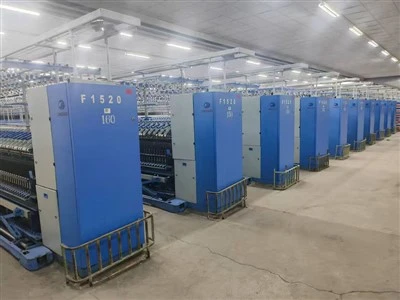
Testing the performance of a new roving frame machine is a comprehensive process that involves pre – installation inspection, mechanical and electrical performance testing, yarn quality testing, productivity testing, and long – term monitoring. By conducting these tests thoroughly, we can ensure that the machine meets the required standards and customer expectations.
Auxiliary Machinery As a trusted roving frame machine supplier, we are committed to providing high – quality machines and professional after – sales service. If you are interested in our roving frame machines or have any questions about performance testing, please feel free to contact us for further discussions and procurement opportunities.
References
- Textile Machinery Handbook, various editions
- Industry standards related to roving frame machines, such as ISO standards
- Technical papers published in textile engineering journals on roving frame machine performance evaluation
Shandong Hongye Machinery Co., Ltd.
Shandong Hongye Machinery Co., Ltd. is one of the most professional roving frame machine manufacturers and suppliers in China, featured by quality products and low price. Please rest assured to buy advanced roving frame machine in stock here and get quotation from our factory. Also, 1 year warranty is available.
Address: Room 1104, Building No. 2, Haier Yunjie, No. 99 Chongqing South Road, Qingdao, China
E-mail: sales@seavincn.com
WebSite: https://www.sdhymachinery.com/
