In the dynamic landscape of industrial development, the efficient distribution of power stands as a cornerstone for the seamless operation of industrial parks. As a seasoned power distribution equipment supplier, I’ve witnessed firsthand the critical role that these systems play in fueling the growth and productivity of various industries. In this blog, I’ll delve into the key power distribution equipment essential for industrial parks, providing insights into their functions, benefits, and considerations for selection. Power Distribution Equipment
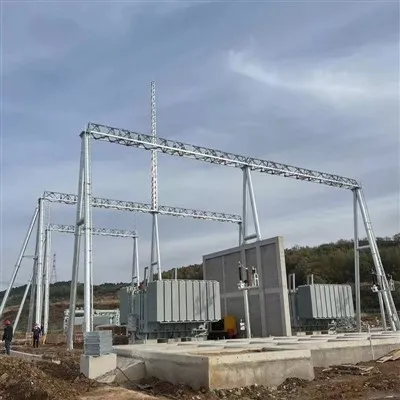
Transformers: The Heart of Power Conversion
Transformers are indispensable components in any power distribution network, serving as the primary means of converting voltage levels to suit different applications. In industrial parks, transformers bridge the gap between the high-voltage transmission lines and the lower-voltage systems used by individual facilities.
There are two main types of transformers commonly used in industrial settings: step-down transformers and step-up transformers. Step-down transformers are used to reduce the high voltage from the power grid to a lower voltage suitable for industrial use. This is crucial for ensuring the safety and efficiency of electrical equipment within the park. On the other hand, step-up transformers are employed when power needs to be transmitted over long distances at high voltages to minimize energy losses.
When selecting transformers for an industrial park, several factors need to be considered. These include the power capacity requirements, the type of load (resistive, inductive, or capacitive), and the environmental conditions. Additionally, energy efficiency is a key consideration, as modern transformers are designed to minimize losses and reduce operating costs over their lifespan.
Switchgear: Controlling and Protecting the Power Flow
Switchgear is another vital component of the power distribution system in industrial parks. It consists of electrical switches, fuses, and circuit breakers that are used to control, protect, and isolate electrical circuits. Switchgear plays a crucial role in ensuring the safety and reliability of the power supply by preventing electrical faults from spreading and causing damage to equipment or endangering personnel.
There are several types of switchgear available, including low-voltage switchgear (LV), medium-voltage switchgear (MV), and high-voltage switchgear (HV). LV switchgear is typically used for applications with voltages up to 1000V and is commonly found in industrial buildings and small to medium-sized facilities. MV switchgear is designed for voltages between 1kV and 36kV and is used in larger industrial complexes and substations. HV switchgear, with voltages above 36kV, is mainly used in high-voltage transmission and distribution networks.
When choosing switchgear for an industrial park, factors such as the fault current rating, the operating voltage, and the type of switching device (e.g., circuit breaker, switching fuse-disconnector) need to be carefully evaluated. Additionally, features such as remote monitoring and control capabilities can enhance the system’s reliability and ease of maintenance.
Circuit Breakers: Safeguarding Electrical Systems
Circuit breakers are essential safety devices in power distribution systems, designed to automatically interrupt the flow of electricity in the event of an overload, short circuit, or other electrical fault. They act as a protective barrier, preventing damage to electrical equipment and reducing the risk of electrical fires.
There are different types of circuit breakers available, each with its own characteristics and applications. Miniature circuit breakers (MCBs) are commonly used for protecting individual circuits in low-voltage applications, such as lighting and small electrical appliances. Molded case circuit breakers (MCCBs) are suitable for larger loads and can handle higher currents. Air circuit breakers (ACBs) and vacuum circuit breakers (VCBs) are typically used in medium and high-voltage applications, providing reliable protection for industrial equipment and electrical networks.
When selecting circuit breakers for an industrial park, it’s important to consider factors such as the rated current, the breaking capacity, and the tripping characteristics. Additionally, features such as adjustable trip settings and thermal-magnetic protection can enhance the flexibility and performance of the circuit breaker.
Busbars: Efficiently Distributing Power
Busbars are conductive bars or strips that are used to distribute electrical power within switchgear, panels, and electrical enclosures. They provide a low-resistance path for the flow of electricity, allowing for the efficient transfer of power from the source to the various loads.
Busbars are typically made of copper or aluminum due to their high conductivity and corrosion resistance. They can be arranged in various configurations, such as single-phase, three-phase, or multi-phase, depending on the requirements of the power distribution system.
In industrial parks, busbars are often used in main switchboards, distribution panels, and motor control centers to connect different electrical components and distribute power throughout the facility. When designing a busbar system, factors such as the current-carrying capacity, the voltage drop, and the mechanical strength need to be carefully considered to ensure reliable operation.
Power Quality Equipment: Ensuring Stable and Clean Power
Power quality is a critical issue in industrial parks, as many modern industrial processes rely on sensitive electronic equipment that is highly susceptible to power disturbances. Power quality equipment is used to mitigate these issues and ensure a stable and clean power supply.
Some common types of power quality equipment include voltage regulators, uninterruptible power supplies (UPS), and power factor correction capacitors. Voltage regulators are used to maintain a constant voltage level, compensating for voltage fluctuations in the power grid. UPS systems provide backup power in the event of a power outage, ensuring continuous operation of critical equipment. Power factor correction capacitors are used to improve the power factor of the electrical system, reducing energy losses and improving efficiency.
When choosing power quality equipment for an industrial park, it’s important to conduct a thorough power quality analysis to identify the specific issues and requirements. This will help determine the appropriate type and size of equipment needed to effectively address the power quality problems.
Considerations for Selecting Power Distribution Equipment for Industrial Parks
When selecting power distribution equipment for industrial parks, several factors need to be taken into account to ensure the safety, reliability, and efficiency of the power supply. These include:
- Load Requirements: Determine the total power demand of the industrial park, including the peak load and the nature of the loads (continuous, intermittent, etc.). This will help determine the appropriate capacity and type of equipment needed.
- Safety Standards: Ensure that all equipment complies with relevant safety standards and regulations, such as IEC (International Electrotechnical Commission) and local electrical codes. This is crucial for protecting personnel and equipment from electrical hazards.
- Reliability: Choose equipment from reputable manufacturers with a proven track record of reliability. Consider factors such as the mean time between failures (MTBF) and the availability of spare parts and technical support.
- Energy Efficiency: Look for energy-efficient equipment that can help reduce operating costs and minimize the environmental impact. This includes transformers with low losses, efficient switchgear, and power quality equipment that improves the power factor.
- Scalability: Consider the future growth and expansion plans of the industrial park when selecting equipment. Choose systems that can be easily upgraded or expanded to accommodate increased power demand.
Conclusion

As an industrial park continues to grow and evolve, the right power distribution equipment is essential to meet its ever-changing needs. By understanding the key components of a power distribution system and the factors to consider when selecting equipment, industrial park managers and operators can ensure a reliable, efficient, and safe power supply for their facilities.
Power Distribution Equipment If you’re in the process of planning or upgrading the power distribution system for your industrial park, I invite you to reach out to me. As a power distribution equipment supplier with extensive experience and expertise in the field, I can provide you with personalized solutions tailored to your specific requirements. Contact me to discuss your project and explore how we can work together to optimize your power distribution infrastructure.
References
- Electric Power Distribution Handbook, by Richard H. Lee
- Industrial Power Systems Handbook, by Pierre Thueux
- Power System Protection, by J. Lewis Blackburn
Si County Haneng Chengxin Electrical Engineering Co., Ltd.
As one of the most professional power distribution equipment manufacturers and suppliers in China, we also support customized service. Welcome to buy advanced power distribution equipment made in China here from our factory. If you have any enquiry about pricelist, please feel free to email us.
Address: Hanergy Green Building Science Park, Economic Development Zone, Sixian County, Anhui Province
E-mail: 19166759898@163.com
WebSite: https://www.hannenglvjian.com/
