Hey there! As a supplier of acidity regulators, I get a ton of questions from folks about using these nifty little additives in homemade food. So, I thought it’d be a great idea to sit down and write this blog to share some insights on whether acidity regulators can be used in homemade food. Acidity Regulators
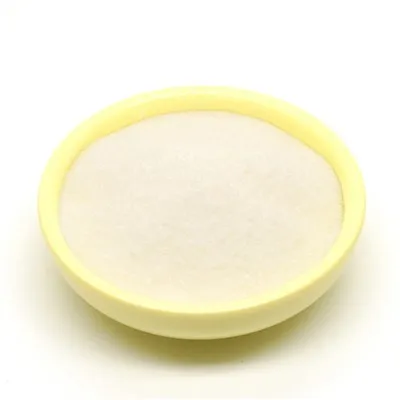
First off, let’s talk about what acidity regulators actually are. Acidity regulators are substances that are used to control the acidity or alkalinity of food. They’re like the secret chefs of the food world, helping to balance flavors, preserve food, and even improve texture. You can find them in all sorts of processed foods, from your favorite fizzy drinks to that jar of pickles in your fridge.
Now, the big question: can you use them in homemade food? The short answer is yes, but there are a few things you need to keep in mind.
One of the main reasons people use acidity regulators in homemade food is for preservation. Acidity can inhibit the growth of bacteria, yeasts, and molds, which means your food will last longer. For example, if you’re making homemade jams or pickles, adding a bit of citric acid (a common acidity regulator) can help prevent spoilage. It’s like giving your food a little extra boost of protection.
Another benefit of using acidity regulators is flavor enhancement. They can balance out the sweetness in desserts, add a tangy kick to sauces, or even make your bread rise better. For instance, tartaric acid can be used in baking to react with baking soda and create carbon dioxide, which makes your cakes and cookies light and fluffy.
But here’s the thing: you’ve got to use them in the right amounts. Too much of an acidity regulator can make your food taste off or even be harmful. That’s why it’s super important to follow recipes and guidelines. If you’re not sure how much to use, it’s always a good idea to do a little research or consult a professional.
Let’s take a look at some common acidity regulators and how they can be used in homemade food.
Citric Acid
This is probably one of the most well – known acidity regulators. It’s found naturally in citrus fruits like lemons and limes. In homemade food, you can use it to make sour candies, adjust the acidity of fruit juices, or even as a cleaning agent for your kitchen utensils. It’s also great for canning fruits and vegetables. Just add a little bit to the canning liquid to keep your produce fresh and flavorful.
Lactic Acid
Lactic acid is produced by the fermentation of lactose, and it’s commonly used in dairy products. If you’re making your own yogurt or cheese at home, lactic acid can help with the fermentation process. It gives these dairy products their characteristic tangy flavor and also helps to thicken them. You can buy lactic acid in liquid form from a specialty food store or online.
Acetic Acid
You might know acetic acid better as the main component of vinegar. It’s a fantastic acidity regulator for pickling vegetables. The acetic acid in vinegar not only gives pickles their sour taste but also acts as a preservative. You can make your own pickling solution by mixing vinegar with water, salt, and some spices. Then, just submerge your veggies in the solution, and in a few days, you’ll have delicious homemade pickles.
Now, I know some people are a bit wary of using additives in their homemade food. They’re worried about the potential health risks. The truth is, when used properly, acidity regulators are generally recognized as safe by food safety authorities. However, it’s always a good idea to do your own research and make an informed decision.
If you have allergies or sensitivities, you need to be extra careful. Some people might be allergic to certain acidity regulators, so make sure to check the labels and ingredients before using them.
One thing I also want to mention is that using acidity regulators in homemade food isn’t always necessary. There are plenty of natural ways to adjust the acidity of your food. For example, you can use fresh lemons or limes instead of citric acid, or make your own vinegar at home.
But if you’re looking for more consistent results, or if you’re making food on a larger scale, acidity regulators can be a game – changer. They allow you to have more control over the final product, whether it’s the taste, texture, or shelf – life.
So, if you’re interested in using acidity regulators in your homemade food, I’m here to help. As a supplier, I’ve got a wide range of high – quality acidity regulators that are perfect for home use. We’ve carefully selected our products to ensure they meet the highest safety and quality standards.
Whether you’re an amateur cook experimenting in your kitchen or a small – scale food producer looking to take your products to the next level, we’ve got the right acidity regulators for you. And we’re always happy to answer any questions you might have.
If you’re thinking of trying out our products, don’t hesitate to reach out. We can provide you with samples so you can test them in your recipes. And if you need advice on how much to use or which product is best for your specific needs, our team of experts is just a message away.
Contact us to discuss your requirements and start creating amazing homemade food with the help of our top – notch acidity regulators!
Preservatives References
- "Food Additives: A Consumer’s Guide" by Johnnie A. Jenkins
- "The Science of Cooking" by Peter Barham
- "Food Chemistry" by Owen R. Fennema
Guangzhou ZIO Chemical Co., Ltd.
As one of the most professional acidity regulators manufacturers and suppliers in China, our products have good reputation in the market. With abundant experience, we warmly welcome you to buy bulk acidity regulators for sale here and get free sample from our factory. For price consultation, contact us.
Address: 5th Floor, Building 1A, Runnong Business Center, No.2 Huangcun Road, Dongpu Town, Tianhe District, Guangzhou
E-mail: alice.liu@gzzio.com
WebSite: https://www.zio-ingredients.com/
