Do cosmetic bottles affect the quality of the product inside? Cosmetic Bottle
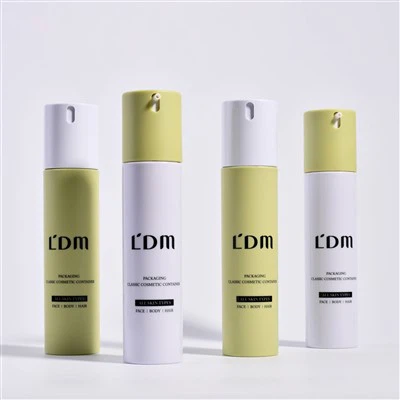
As a long – standing cosmetic bottle supplier, I’ve witnessed firsthand the myriad of concerns and questions that brands and consumers alike have regarding cosmetic packaging. One of the most recurring questions is whether cosmetic bottles have any impact on the quality of the product they contain. In this blog post, I’ll delve into this topic, exploring the various factors at play and providing insights based on industry knowledge and experience.
Material Composition and Its Impact on Product Quality
The material from which a cosmetic bottle is made is of utmost importance. Common materials used in cosmetic packaging include glass, plastic, and metal. Each material has its own set of properties that can affect the product inside.
Glass Bottles
Glass is a popular choice for high – end cosmetics. It is an inert material, which means it does not react chemically with the cosmetic product. This is crucial for products that are sensitive to chemical reactions, such as essential oils and serums. Glass provides an excellent barrier against oxygen, moisture, and light, three factors that can degrade the quality of cosmetics over time.
For example, oxygen can cause oxidation of oils in cosmetics, leading to rancidity and a change in smell and texture. Moisture can promote the growth of bacteria and mold, especially in water – based products. And light, particularly ultraviolet (UV) light, can break down certain chemicals in cosmetics, reducing their effectiveness. Glass bottles effectively protect cosmetics from these harmful elements, ensuring that the product inside retains its quality for a longer period.
However, glass is also heavy and fragile. This can increase shipping costs and pose a risk of breakage during transportation. To mitigate the impact of light, some glass bottles are made with tinted glass, such as amber or cobalt blue, which can further enhance the protection of light – sensitive products.
Plastic Bottles
Plastic is a versatile and cost – effective material for cosmetic packaging. There are different types of plastics used, such as polyethylene terephthalate (PET), high – density polyethylene (HDPE), and polypropylene (PP).
PET is commonly used for clear cosmetic bottles. It is lightweight, shatterproof, and has good barrier properties against oxygen and moisture. However, it may not be as effective as glass in blocking light. Some PET bottles can be treated with UV inhibitors to improve their light – blocking capabilities.
HDPE is a more rigid plastic and is often used for opaque cosmetic bottles. It has excellent chemical resistance and is suitable for products like lotions and creams. PP is also a popular choice for its heat resistance and durability, making it suitable for products that may be exposed to variable temperatures.
One of the concerns with plastic bottles is the potential for chemical leaching. Certain plastics may release small amounts of chemicals into the cosmetic product over time, especially when the product contains solvents or chemicals that can interact with the plastic. This is more likely to occur with lower – quality plastics or when the product is stored at high temperatures for extended periods.
Metal Bottles
Metal bottles, typically made of aluminum or stainless steel, are used for specific cosmetic products, such as deodorants and some hairsprays. Aluminum bottles are lightweight, have good barrier properties against oxygen and light, and can be easily recycled. However, they need to be coated on the inside to prevent corrosion and interaction with the cosmetic product.
Stainless steel is more durable and resistant to corrosion than aluminum. It is often used for high – end or specialty cosmetic products. Metal bottles can provide a premium look and feel, but they are generally more expensive than plastic bottles.
Design and Structure of Cosmetic Bottles
The design and structure of a cosmetic bottle can also influence the quality of the product inside.
Closure Systems
The closure system of a cosmetic bottle is crucial for preventing leakage and maintaining product integrity. A poorly designed or malfunctioning closure can allow air, moisture, or contaminants to enter the bottle, leading to product degradation. For example, screw – cap closures need to fit tightly to create a proper seal. Flip – top closures should be designed in a way that they open and close smoothly without allowing product to spill out or air to seep in.
Some high – end cosmetic bottles use dropper or pump dispensers. These dispensers not only provide a convenient way to apply the product but also help to control the dosage and prevent contamination. A well – designed dropper or pump can ensure that the product is dispensed in a consistent manner and that the remaining product inside the bottle is protected from external factors.
Shape and Size
The shape and size of a cosmetic bottle can impact the product’s usability and longevity. A bottle with a narrow neck may be more difficult to clean, which can lead to the accumulation of residue and bacteria over time. On the other hand, a bottle with a wide opening may allow more air to enter the bottle, increasing the risk of oxidation.
The size of the bottle should also be appropriate for the amount of product it contains. If a large bottle is used for a small amount of product, there will be a large amount of air space inside the bottle, which can accelerate the degradation of the product due to increased oxygen exposure.
Storage Conditions and the Role of Cosmetic Bottles
The way cosmetic products are stored can have a significant impact on their quality, and the cosmetic bottle plays a role in this as well.
Temperature
Cosmetic products are often sensitive to temperature changes. Extreme heat can cause the product to expand, which may lead to leakage if the bottle is not designed to withstand the pressure. In addition, high temperatures can accelerate chemical reactions inside the product, leading to degradation.
A good cosmetic bottle should provide some level of insulation against temperature changes. For example, glass bottles can help to maintain a relatively stable temperature inside the bottle, as they are better at retaining heat or cold compared to plastic bottles.
Humidity
High humidity can cause moisture to condense inside the bottle, which can be detrimental to the product. Cosmetic bottles need to have good moisture – resistant properties to prevent this from happening. Plastic bottles with good sealing properties can help to keep moisture out, while glass bottles provide an even better barrier against humidity.
Conclusion
In conclusion, cosmetic bottles do have a significant impact on the quality of the product inside. The material, design, and structure of the bottle all play crucial roles in protecting the cosmetic product from external factors such as oxygen, moisture, light, and contaminants. As a cosmetic bottle supplier, I understand the importance of providing high – quality packaging solutions that meet the specific needs of different cosmetic products.
Whether you are a cosmetic brand looking for the perfect packaging for your new product or a distributor seeking to ensure the quality of the products you handle, it’s essential to choose the right cosmetic bottles. By considering the material, design, and storage requirements of your product, you can select a bottle that will not only enhance the shelf life of your product but also provide a positive user experience for your customers.

If you are interested in discussing your cosmetic bottle needs or exploring potential packaging solutions, I’d be more than happy to assist you. We can have a detailed conversation about your specific requirements, the type of product you are packaging, and how we can collaborate to create the best cosmetic bottle for your brand.
Cosmetic Bottle References
- Goodarzi, M. (2019). Cosmetic Packaging: Materials, Design, and Sustainability. CRC Press.
- Barel, A. O., Paye, M., & Maibach, H. I. (Eds.). (2001). Cosmetics: Science and Technology. Wiley – Liss.
Shaoxing Longderm Plastic Co., Ltd.
Shaoxing Longderm Plastic Co., Ltd. is one of the leading cosmetic bottle manufacturers and suppliers in China. We warmly welcome you to wholesale custom made cosmetic bottle from our factory. For more cheap products, contact us now.
Address: No. 55, Tongmingnan’an Road, Yuxian Village, Fenghui Town, Shangyu District
E-mail: hello@ldmpac.com
WebSite: https://www.ldmpackaging.com/
