In the dynamic world of electrical and electronic work, crimping tools stand as indispensable allies. As a seasoned supplier of crimping tools with years of hands – on experience in this industry, I’ve witnessed firsthand how these simple yet powerful devices transform electrical connections. In this blog, I’ll take you through the intricate workings of crimping tools, offering insights gleaned from real – world applications and our vast product knowledge. Crimping Tool

The Basics of Crimping
Crimping is a process of deforming one or more materials to hold another object securely. In the context of electrical work, it is primarily used to connect wires to connectors, terminals, or other electrical components. Unlike soldering, which uses heat to melt solder and form a bond, crimping creates a mechanical bond by squeezing the connector tightly around the wire. This mechanical bond is not only quick to form but also provides a reliable and long – lasting connection.
Parts of a Crimping Tool
To understand how a crimping tool works, it’s essential to familiarize yourself with its key components:
- Jaws: The jaws are perhaps the most critical part of the crimping tool. They come in various shapes and sizes, depending on the type of connector being used. The jaws are designed to exert pressure on the connector and deform it around the wire. Some crimping tools have interchangeable jaws, allowing for greater versatility in handling different types of connectors.
- Handles: The handles give the user the leverage needed to apply force to the jaws. They are usually made of durable materials such as plastic or metal and are designed to provide a comfortable grip. Some high – end crimping tools have ergonomic handles that reduce hand fatigue during extended use.
- Ratchet Mechanism (Optional): Many modern crimping tools are equipped with a ratchet mechanism. This mechanism ensures that the correct amount of pressure is applied during the crimping process. It locks the tool in place until the proper crimp is achieved, preventing under – or over – crimping. Once the crimp is complete, the ratchet can be released, and the tool can be opened.
- Anvil: The anvil is the part of the tool that supports the connector during the crimping process. It provides a stable surface against which the jaws can press the connector.
The Crimping Process
Now, let’s walk through the step – by – step process of how a crimping tool works:
- Select the Right Connector and Tool: The first step is to choose the appropriate connector for your wire size and application. Different connectors are designed for different types of wires, such as solid or stranded, and different electrical requirements. Once you’ve selected the connector, choose a crimping tool that is compatible with it. Make sure the tool’s jaws match the size and shape of the connector.
- Prepare the Wire: Strip the insulation from the end of the wire to expose the bare conductor. The length of the exposed conductor should be appropriate for the connector. Too much exposed wire can lead to a poor connection, while too little may not provide enough surface area for a secure crimp.
- Insert the Wire into the Connector: Carefully insert the stripped end of the wire into the connector. Make sure the wire goes all the way to the back of the connector and that the insulation is properly seated in the insulation barrel of the connector.
- Place the Connector in the Jaws: Open the crimping tool’s jaws and position the connector between them. The jaws should align with the crimping areas of the connector. If the tool has a ratchet mechanism, engage it to start the crimping process.
- Apply Pressure: Squeeze the handles of the crimping tool firmly. As you apply pressure, the jaws will close around the connector, deforming it to grip the wire tightly. If the tool has a ratchet mechanism, it will lock in place until the correct amount of pressure is applied. You may feel a slight resistance or hear a click, indicating that the crimp is complete.
- Release the Tool: Once the crimp is complete, release the ratchet mechanism (if applicable) and open the tool’s jaws. Remove the crimped connector from the tool and inspect the crimp. A good crimp should show that the connector is tightly wrapped around the wire, with no visible gaps or damage. The insulation should also be firmly held in place by the insulation barrel of the connector.
Different Types of Crimping and Their Applications
There are several types of crimping, each suited for different applications:
- Compression Crimping: This is the most common type of crimping. It uses a pair of jaws to compress the connector around the wire, creating a tight mechanical bond. Compression crimping is suitable for a wide range of applications, including electrical wiring, automotive wiring, and telecommunications.
- Hex Crimping: Hex crimping uses a hexagonal – shaped die to create a crimp. This type of crimp provides a more uniform and secure connection compared to compression crimping. Hex crimping is often used in high – voltage and high – current applications, where a reliable connection is crucial.
- Insulation – Displacement Crimping (IDC): IDC crimping is a special type of crimping that does not require stripping the insulation from the wire. Instead, the connector has sharp teeth that cut through the insulation and make contact with the conductor. IDC crimping is commonly used in telecommunication and data networking applications, where it provides a quick and easy way to make connections.
Quality and Reliability
As a supplier of crimping tools, we understand the importance of quality and reliability. A well – made crimping tool will not only provide consistent and reliable crimps but also last for a long time. That’s why we source our crimping tools from manufacturers who adhere to strict quality control standards. These tools are made from high – quality materials, such as hardened steel for the jaws and durable plastics or metals for the handles.
We also offer crimping tools in a variety of price ranges to suit different budgets and requirements. Whether you’re a professional electrician who needs a high – end, heavy – duty tool for daily use or a DIY enthusiast who only needs a basic tool for occasional projects, we have the right crimping tool for you.
Why Choose Our Crimping Tools
Our crimping tools are designed with the user in mind. They are easy to use, even for beginners. The ergonomic handles ensure a comfortable grip, reducing hand fatigue during long – term use. The ratchet mechanisms in our higher – end models provide consistent and reliable crimps every time.
In addition, we offer a wide range of accessories and replacement parts for our crimping tools. This means that if a part of your tool breaks or wears out, you can easily replace it, extending the life of your tool.
Conclusion
Crimping tools are essential for anyone working with electrical or electronic connections. Understanding how they work and the different types of crimping available can help you make better choices when it comes to selecting the right tool for your application. As a trusted supplier of crimping tools, we are committed to providing our customers with high – quality products, excellent customer service, and expert advice.
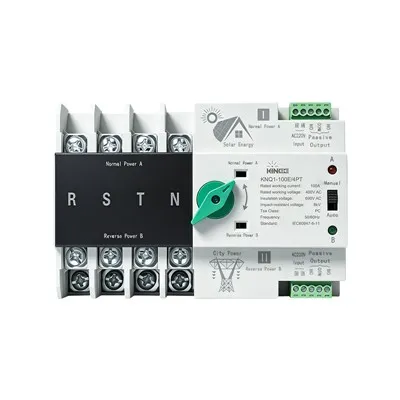
Manual Changeover Switch If you’re in the market for a crimping tool or have any questions about our products, we’d love to hear from you. Contact us to start a conversation about your crimping tool needs. We’re here to help you find the perfect solution for your electrical and electronic projects.
References
- Grob, Bernard. "Introduction to Electronics." Sixth Edition. McGraw – Hill, 1999.
- Neudeck, Gordon W. "Modular Semiconductor Devices." Addison – Wesley, 1991.
- Boylestad, Robert L., and Nashelsky, Louis. "Electronic Devices and Circuit Theory." Tenth Edition. Prentice Hall, 2009.
Wenzhou Kinee Electrical Co., Ltd.
We are one of the most professional crimping tool manufacturers and suppliers in China, featured by quality products and good price. Please rest assured to buy advanced crimping tool made in China here from our factory. We also accept customized orders.
Address: Unit 1, Building 31, Wenzhou Wenbo Science and Technology Industrial Park, No. 706 Yanyun Road, Lingkun Street, Oujiangkou Industrial Cluster Area, Wenzhou, Zhejiang Province
E-mail: sandyma@kinee.net
WebSite: https://www.kinee.net/
