As a supplier of Moxa Sticks and Moxa Wool Series, I’ve witnessed firsthand the significant interest in these traditional Chinese medicine products. Many customers often inquire about the main differences between moxa sticks and moxa wool. In this blog, I’ll delve into these differences to provide a comprehensive understanding for both new and experienced users. Moxa Sticks and Moxa Wool Series
Composition and Form
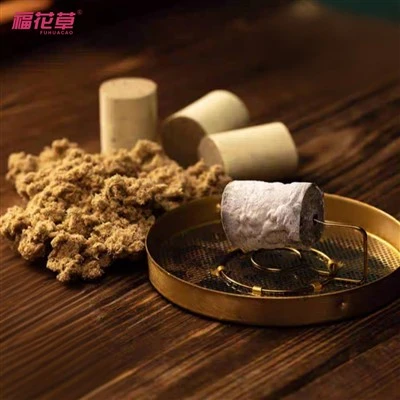
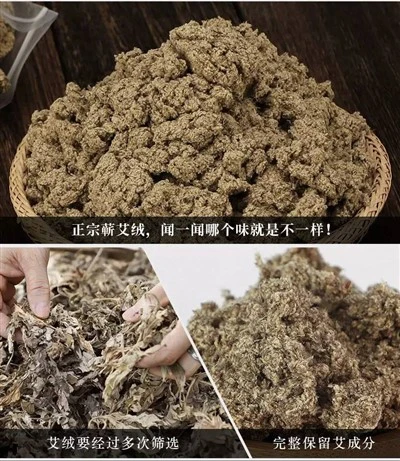
Moxa wool is the raw material derived from mugwort leaves. The mugwort is harvested, dried, and then processed through a series of steps to remove impurities and break down the leaves into a soft, fluffy fibrous material. This moxa wool retains the natural properties of the mugwort, including its volatile oils and bioactive compounds. It has a light, airy texture and a characteristic herbal aroma.
On the other hand, moxa sticks are made by rolling moxa wool tightly into cylindrical shapes. The moxa wool is carefully packed to ensure a consistent burn. The outer layer of moxa sticks can vary; some are wrapped in rice paper, while others may use other natural materials. The diameter and length of moxa sticks can also differ according to their intended use.
Usage Methods
One of the most obvious differences between moxa sticks and moxa wool lies in their usage methods. Moxa wool offers more flexibility in application. It can be directly placed on the skin in a small amount, known as direct moxibustion. However, this method requires a high level of skill and caution as it can cause burns and leave scars. Another common way to use moxa wool is indirect moxibustion. For example, a small cone of moxa wool can be placed on a slice of ginger or garlic on specific acupuncture points, and then ignited. The heat and medicinal properties are transmitted through the ginger or garlic to the body.
Moxa sticks, on the other hand, are mainly used for suspended moxibustion. The moxa stick is ignited at one end, and the burning end is held a few centimeters above the acupuncture points. The heat from the burning moxa stick stimulates the points, promoting blood circulation, expelling cold, and regulating the body’s qi. This method is relatively safer and easier to operate, making it a popular choice for both professional practitioners and home users.
Heat Intensity and Penetration
The heat intensity and penetration also vary between moxa sticks and moxa wool. Moxa wool, especially when used in direct moxibustion, can generate intense heat that directly reaches the skin and underlying tissues. The heat is concentrated at the point of application, which can have a strong stimulatory effect on the acupuncture points. The penetration depth can be adjusted by controlling the size and burning time of the moxa wool cone.
Moxa sticks, due to their cylindrical shape and the way they are burned, produce a more gentle and diffused heat. The heat spreads over a wider area around the acupuncture point. Although the initial heat intensity may be lower than that of direct moxa wool application, the heat can penetrate deeper into the body over a longer period. The slow – burning nature of moxa sticks allows for a continuous and steady supply of heat, gradually warming the meridians and promoting the flow of qi and blood.
Effects and Applications
Both moxa sticks and moxa wool have similar therapeutic effects, but their applications may vary slightly. Moxa wool, with its more intense heat stimulation, is often used in traditional Chinese medicine clinics for treating stubborn cold – related diseases, such as chronic arthritis, cold – induced abdominal pain, and menstrual disorders. The strong heat can help dispel deep – seated cold and dampness from the body.
Moxa sticks, with their gentle and long – lasting heat, are suitable for a wider range of applications. They are commonly used for health maintenance and preventing minor ailments. Home users often use moxa sticks to relieve fatigue, improve sleep quality, and enhance the body’s immune system. In addition, moxa sticks can be used for patients who are more sensitive to heat or have a lower tolerance for pain.
Storage and Shelf Life
Proper storage is crucial for maintaining the quality of moxa sticks and moxa wool. Moxa wool, being a loose and fluffy material, is more susceptible to moisture absorption. It should be stored in a dry, air – tight container away from direct sunlight. If the moxa wool gets damp, it may lose its flammability and medicinal properties. Under ideal storage conditions, moxa wool can have a shelf life of about 2 – 3 years.
Moxa sticks, on the other hand, are more stable in storage. The tightly rolled moxa wool inside the wrapper is protected from moisture to some extent. However, they also need to be stored in a dry place. Avoid storing them in a humid environment, as it can cause the wrapper to become damp and the moxa stick to burn unevenly. Moxa sticks generally have a longer shelf life, usually around 3 – 5 years.
Pricing Considerations
The price difference between moxa sticks and moxa wool is also a factor that customers consider. Moxa wool is relatively more affordable, especially in bulk. It is a basic form of moxa product, and the production process is more straightforward. Many small businesses and individual users prefer to purchase moxa wool for its cost – effectiveness, especially if they have the skills to use it properly.
Moxa sticks, on the other hand, involve additional processing steps such as rolling and wrapping. The cost also includes the material for the wrapper. As a result, moxa sticks are generally more expensive than moxa wool. However, the convenience and ease of use of moxa sticks often justify the extra cost for many customers.
Conclusion
In conclusion, moxa sticks and moxa wool, while both derived from mugwort, have distinct differences in composition, usage methods, heat intensity, effects, storage, and pricing. Understanding these differences can help customers make more informed decisions based on their specific needs, skills, and preferences.
As a supplier of Moxa Sticks and Moxa Wool Series, we are committed to providing high – quality products that meet the diverse needs of our customers. Whether you are a professional TCM practitioner looking for reliable moxa materials or a home user interested in traditional health – care methods, we have the right products for you.
Moxibustion Treasure If you are interested in purchasing our moxa sticks or moxa wool, please feel free to contact us for more information and to discuss your specific requirements. We look forward to establishing a long – term business relationship with you and helping you experience the benefits of traditional moxibustion.
References
- Chen, J., & Chen, T. (2012). Chinese Herbal Medicine: Chemistry, Pharmacology, and Applications. CRC Press.
- Bensky, D., Clavey, S., & Stoger, E. (2004). Chinese Herbal Medicine: Materia Medica. Eastland Press.
- Kaptchuk, T. J. (2000). The Web That Has No Weaver: Understanding Chinese Medicine. Congdon & Weed.
Jiaxing Yuanfan Imp. & Exp. Co., Ltd.
As one of the most professional moxa sticks and moxa wool manufacturers in China, we’re featured by quality products and good service. Please rest assured to wholesale high-grade moxa sticks and moxa wool made in China here from our factory. Contact us for quotation.
Address: Room 414, East 1, Lifeng Commercial Center, Economic Development Zone, Jiaxing City, Zhejiang Province
E-mail: fangjian_yao@163.com
WebSite: https://www.yuanfanmugwort.com/
