As a provider of membrane filtration equipment, I often encounter inquiries from clients about the pore size of our products. The pore size of membrane filtration equipment is a critical factor that significantly impacts its performance and suitability for various applications. In this blog, I will delve into the concept of pore size, its importance, and how it relates to different types of membrane filtration processes. Membrane Filtration Equipment
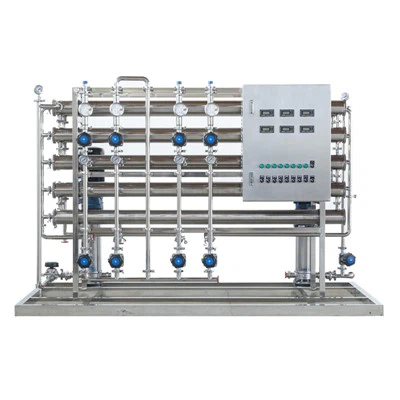
Understanding Pore Size
The pore size of a membrane refers to the diameter of the openings or pores within the membrane structure. These pores act as selective barriers, allowing certain substances to pass through while blocking others based on their size. Pore sizes can vary widely, from as small as a few nanometers to several micrometers, depending on the specific application and the type of membrane used.
In membrane filtration, there are several common pore size ranges that are typically used:
- Microfiltration (MF): This process uses membranes with pore sizes ranging from approximately 0.1 to 10 micrometers. Microfiltration is often used to remove larger particles, such as bacteria, yeast, and suspended solids from liquids. It is commonly employed in the food and beverage industry, water treatment, and pharmaceutical manufacturing.
- Ultrafiltration (UF): Ultrafiltration membranes have pore sizes in the range of 0.001 to 0.1 micrometers. These membranes are capable of retaining macromolecules, such as proteins, colloids, and some viruses. Ultrafiltration is widely used in the purification and concentration of biological products, as well as in the treatment of wastewater and industrial effluents.
- Nanofiltration (NF): Nanofiltration membranes have pore sizes between 0.001 and 0.01 micrometers. They are designed to remove small organic molecules, multivalent ions, and some divalent salts. Nanofiltration is commonly used in water softening, desalination, and the purification of beverages and dairy products.
- Reverse Osmosis (RO): Reverse osmosis membranes have the smallest pore sizes, typically less than 0.001 micrometers. These membranes are capable of removing virtually all dissolved salts, organic compounds, and microorganisms from water. Reverse osmosis is widely used in desalination plants, water purification systems, and the production of high-purity water for industrial and pharmaceutical applications.
Importance of Pore Size
The pore size of a membrane is a crucial factor that determines its selectivity and performance. By choosing the appropriate pore size, it is possible to achieve the desired level of separation and purification. Here are some key reasons why pore size is important in membrane filtration:
- Selective Separation: The pore size of a membrane allows it to selectively separate different components based on their size. For example, in microfiltration, the membrane can retain larger particles while allowing smaller molecules and solvents to pass through. This selectivity is essential for achieving the desired level of purification and separation in various applications.
- Filtration Efficiency: The pore size also affects the filtration efficiency of the membrane. Smaller pore sizes generally result in higher filtration efficiency, as they can retain smaller particles and contaminants. However, smaller pore sizes also tend to have lower flux rates, which means that the flow of liquid through the membrane is slower. Therefore, it is important to balance the pore size with the desired flux rate to achieve optimal filtration performance.
- Membrane Fouling: Membrane fouling is a common problem in membrane filtration, which occurs when particles and contaminants accumulate on the membrane surface or within the pores, reducing the membrane’s performance over time. The pore size of the membrane can influence the extent of fouling. Smaller pore sizes are more prone to fouling, as they are more likely to trap small particles and contaminants. Therefore, it is important to choose a membrane with an appropriate pore size to minimize fouling and extend the membrane’s lifespan.
Factors Affecting Pore Size
Several factors can affect the pore size of a membrane, including the membrane material, manufacturing process, and operating conditions. Here are some key factors to consider:
- Membrane Material: Different membrane materials have different pore sizes and properties. For example, cellulose acetate membranes typically have larger pore sizes compared to polyethersulfone membranes. The choice of membrane material depends on the specific application and the desired level of separation and purification.
- Manufacturing Process: The manufacturing process can also affect the pore size of a membrane. For example, membranes can be manufactured using different techniques, such as phase inversion, track etching, and electrospinning. Each manufacturing process can result in different pore sizes and distributions.
- Operating Conditions: The operating conditions, such as pressure, temperature, and flow rate, can also affect the pore size of a membrane. For example, increasing the pressure can cause the pores to expand, while decreasing the temperature can cause the pores to shrink. Therefore, it is important to optimize the operating conditions to ensure the desired pore size and performance.
Choosing the Right Pore Size
Choosing the right pore size for a membrane filtration application is crucial for achieving the desired level of separation and purification. Here are some key considerations when selecting the pore size:
- Application Requirements: The first step in choosing the right pore size is to understand the specific application requirements. For example, if the goal is to remove bacteria and suspended solids from water, a microfiltration membrane with a pore size of 0.1 to 10 micrometers may be suitable. On the other hand, if the goal is to remove dissolved salts and organic compounds from water, a reverse osmosis membrane with a pore size of less than 0.001 micrometers may be required.
- Feed Characteristics: The characteristics of the feed solution, such as the particle size distribution, concentration, and chemical composition, can also influence the choice of pore size. For example, if the feed solution contains large particles or high concentrations of contaminants, a membrane with a larger pore size may be required to prevent fouling.
- Filtration Efficiency and Flux Rate: The filtration efficiency and flux rate are also important considerations when choosing the pore size. A smaller pore size generally results in higher filtration efficiency but lower flux rates, while a larger pore size results in lower filtration efficiency but higher flux rates. Therefore, it is important to balance the filtration efficiency and flux rate to achieve optimal performance.
Conclusion
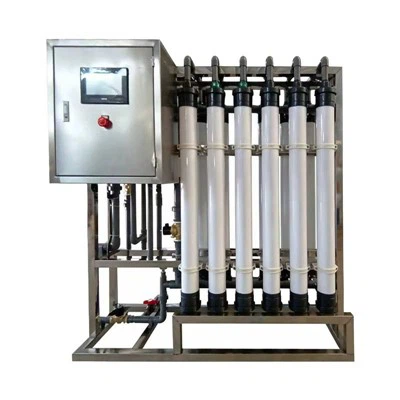
The pore size of membrane filtration equipment is a critical factor that significantly impacts its performance and suitability for various applications. By understanding the concept of pore size, its importance, and how it relates to different types of membrane filtration processes, it is possible to choose the right membrane with the appropriate pore size for a specific application. As a provider of membrane filtration equipment, we are committed to offering high-quality products with a wide range of pore sizes to meet the diverse needs of our clients.
Membrane Filtration Equipment If you are interested in learning more about our membrane filtration equipment or have any questions about pore size and its application, please do not hesitate to contact us. Our team of experts is ready to assist you in selecting the right membrane for your specific needs and providing you with the best solutions for your filtration requirements.
References
- Cheryan, M. (1998). Ultrafiltration and Microfiltration Handbook. Technomic Publishing Company, Inc.
- Mulder, M. (1996). Basic Principles of Membrane Technology. Kluwer Academic Publishers.
- Strathmann, H. (2010). Membrane Separation Technology: Principles and Applications. Wiley-VCH Verlag GmbH & Co. KGaA.
Shandong Yanuo Environmental Protection Equipment Co., Ltd.
We’re well-known as one of the leading membrane filtration equipment manufacturers and suppliers in China, featured by quality products and good price. Please rest assured to buy bulk membrane filtration equipment made in China here from our factory. Customized orders are welcome.
Address: North Side of the Road, 1,000 Meters West of the Intersection of Fenghuangshan West Road and Provincial Highway S102, Wangfu Subdistrict, Qingzhou City, Weifang City, Shandong Province.
E-mail: ynhb.499973983@gmail.com
WebSite: https://www.zkyaruo.com/
